
Pump head
The chamber that sees the chemical. PVC, PP, PVDF or a metal alloy. The rest of the pump can be painted steel — this cannot.
Heads, diaphragms, valves and elastomers for metering pumps. A selection window — not an ASTM chart, not a warranty, not an offer.
Ratings assume typical water-treatment concentrations at ambient temperature, one chemical at a time. Mixtures, heat, slurry and impurities change the answer. Engineering confirms on the quote.
Liquid end
The chamber that sees the chemical. PVC, PP, PVDF or a metal alloy. The rest of the pump can be painted steel — this cannot.
PTFE is chemically almost inert but creeps under load. A FKM or EPDM backing takes the mechanical stress. The process sees only the face. Hydraulic oil on HD stays behind that sandwich.
Check valves set accuracy as much as the stroke. Ceramic and PTFE balls survive oxidizers. SS balls pit in chlorides. Viscous polymer can stick a ceramic ball — that is a rheology problem.
The weakest link is often a two-dollar elastomer. FKM for bleach and oils. EPDM for caustic, steam and polymer. PTFE envelope gaskets when neither rubber is honest.
Packed plungers are not sealless. Packing weeps by design. Ceramic or Hastelloy rod, compatible packing, lantern ring. Choose HD when leak-free matters more than 350 bar.
On PR the tube is the entire wet-end. No valves to clog on sludge or polymer. Fatigue life is the spare-parts plan. Norprene for chemicals, silicone for sanitary short runs.
The science
Pump head, valves, day tanks
Rigid vinyl. Polar, resists dilute mineral acids, hypochlorite and coagulants. Aromatics, ketones and many solvents craze it.
Service window: About 0–50 °C. Softens above that.
Typical failure: UV and NaOCl embrittlement over 12–24 months. Not a long-life bleach head — PVDF is preferred.
Heads, tanks, frames
Polyolefin. Strong in alkalis and many acids. Weak against oxidizers at concentration and against chlorinated solvents.
Service window: About 0–80 °C.
Typical failure: Stress cracking, UV, concentrated bleach.
Preferred plastic head for oxidizers
Fluorinated vinylidene polymer. Resists halogens, HCl, ferric chloride and industrial NaOCl. Hot concentrated NaOH attacks it.
Service window: About −20–120 °C. Caustic service much lower.
Typical failure: 50% NaOH near 25 °C is already a limit. Confirm concentration and temperature.
Diaphragm face, liner, seats, tape
Near-inert fluoropolymer. Process chemicals see PTFE; the metal or elastomer behind it carries load. Not for elemental fluorine or molten alkali metals.
Service window: Process face often −20–150 °C. Limited by the backing, not the skin.
Typical failure: Cold flow (creep) without a backing diaphragm. ClO₂ can permeate a thin PTFE face.
Heads, plungers, clean-water hardware
Austenitic stainless with Mo for pitting resistance in mild chlorides. Passivated by nitric and aerated water. Reducing acids and free chlorine break the film.
Service window: Wide mechanically. Chloride SCC risk rises with heat.
Typical failure: Pitting, crevice corrosion and stress-corrosion cracking in NaOCl, HCl, FeCl₃. Do not specify 316 for bleach.
High-chloride metal head and plunger
Ni–Cr–Mo alloy. Holds mixed acids and chlorides that destroy 316. Default metal for seawater RO antiscalant and high-temp acid.
Service window: Process often −20–200 °C. Confirm the mix.
Typical failure: Few exceptions in water treatment. Still confirm oxidizing + reducing cocktails.
Valve balls, plunger coating
Sintered alumina. Hard, chemically quiet in acids, bleach and coagulants. Hydrofluoric acid and strong thermal shock are the enemies.
Service window: Well above polymer heads. Limited by seats and body.
Typical failure: Chipping on impact. Viscous polymer can wet-seat and stick the ball.
O-rings, seats, diaphragm backing
Fluoroelastomer. Oils, many acids and NaOCl. Swells in ketones, amines and strong caustic.
Service window: About −20–200 °C in compatible media.
Typical failure: NaOH above ~5–15% is a common misspec. Use EPDM on caustic.
O-rings, backing, polymer service
Ethylene-propylene rubber. Water, steam, dilute acid and caustic. Oils and oxidizers attack the unsaturation.
Service window: About −40–150 °C.
Typical failure: NaOCl is a life question, not a yes. Field failures are common — FKM or PTFE on bleach.
Peristaltic tube
Thermoplastic elastomer tube. The tube is the wet-end: no seals, no valves. Acids, bases, food-grade options. Not a solvent hose.
Service window: About 0–80 °C. Fatigue, not melt, sets the interval.
Typical failure: Wall fatigue and abrasion. Plan a 6-month tube change on continuous duty.
Sanitary peristaltic tube
Platinum-cured silicone. Clear, food and pharma. Poor against oxidizers, many acids and solvents.
Service window: Wide, but pump life is short at speed.
Typical failure: Swelling and tearing in bleach and strong acid. Use Norprene or PTFE tube instead.
Duty chemicals
5–13% available chlorine, ambient, off-gassing
Off-gasses O₂ and Cl₂. Heat and metals accelerate decay. Auto-degassing heads (EM / DX) prevent vapour lock. Keep the tank cool and vented.
Typical liquid end
PVDF or PTFE-lined head · PTFE-faced diaphragm · ceramic or PTFE balls · FKM or PTFE seals. Not SS316.
Pump types for this duty
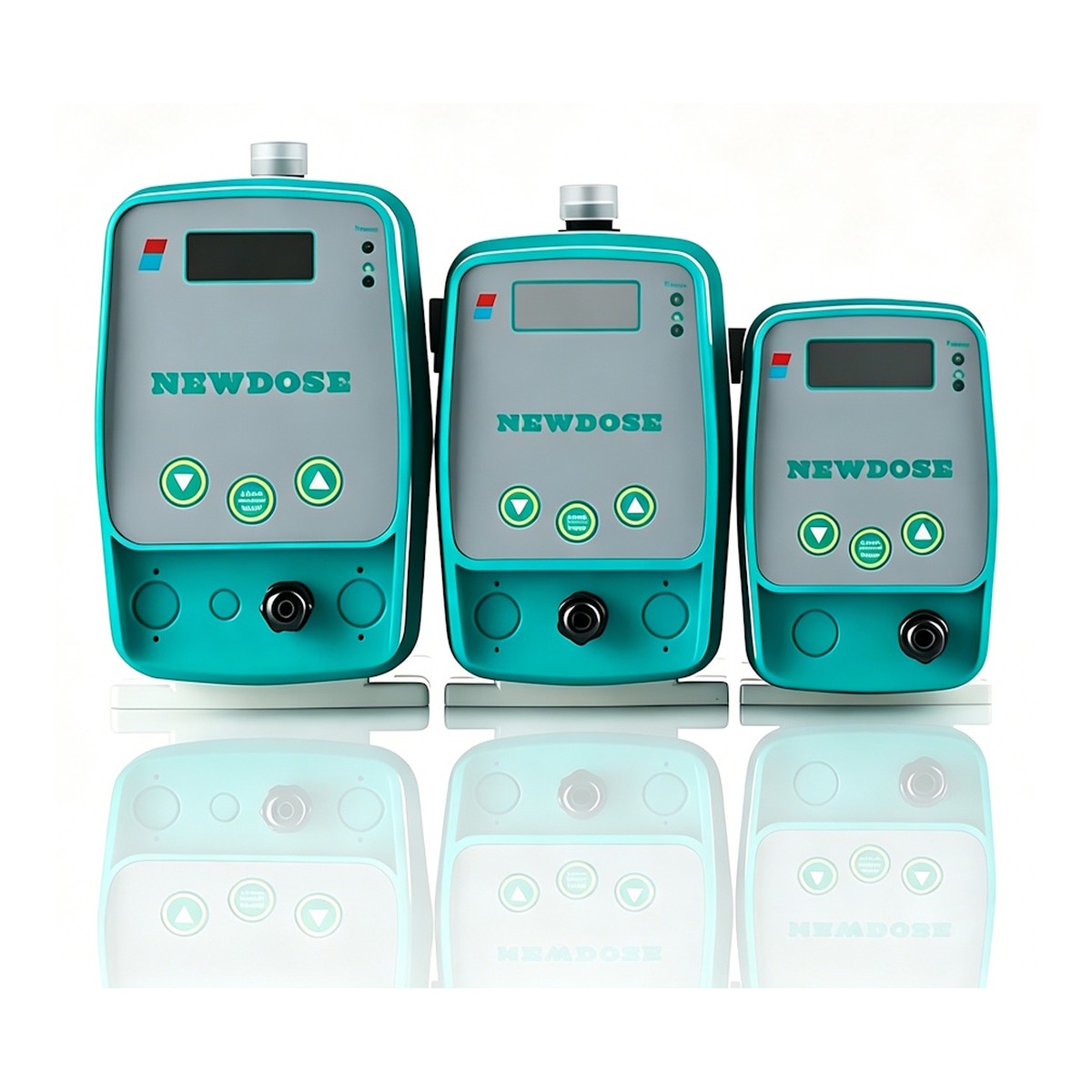
Metering Pump
DFD
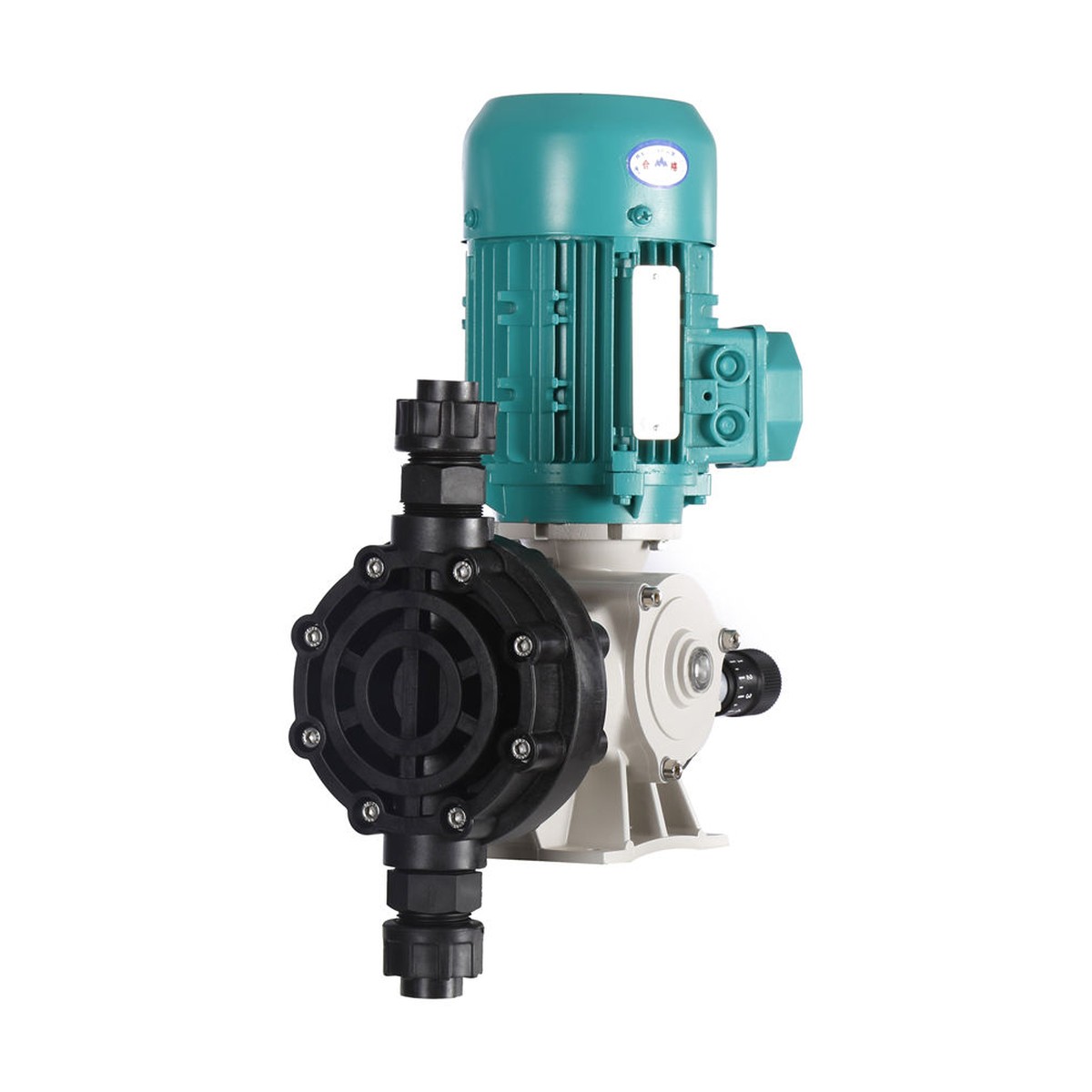
Metering Pump
NDWS
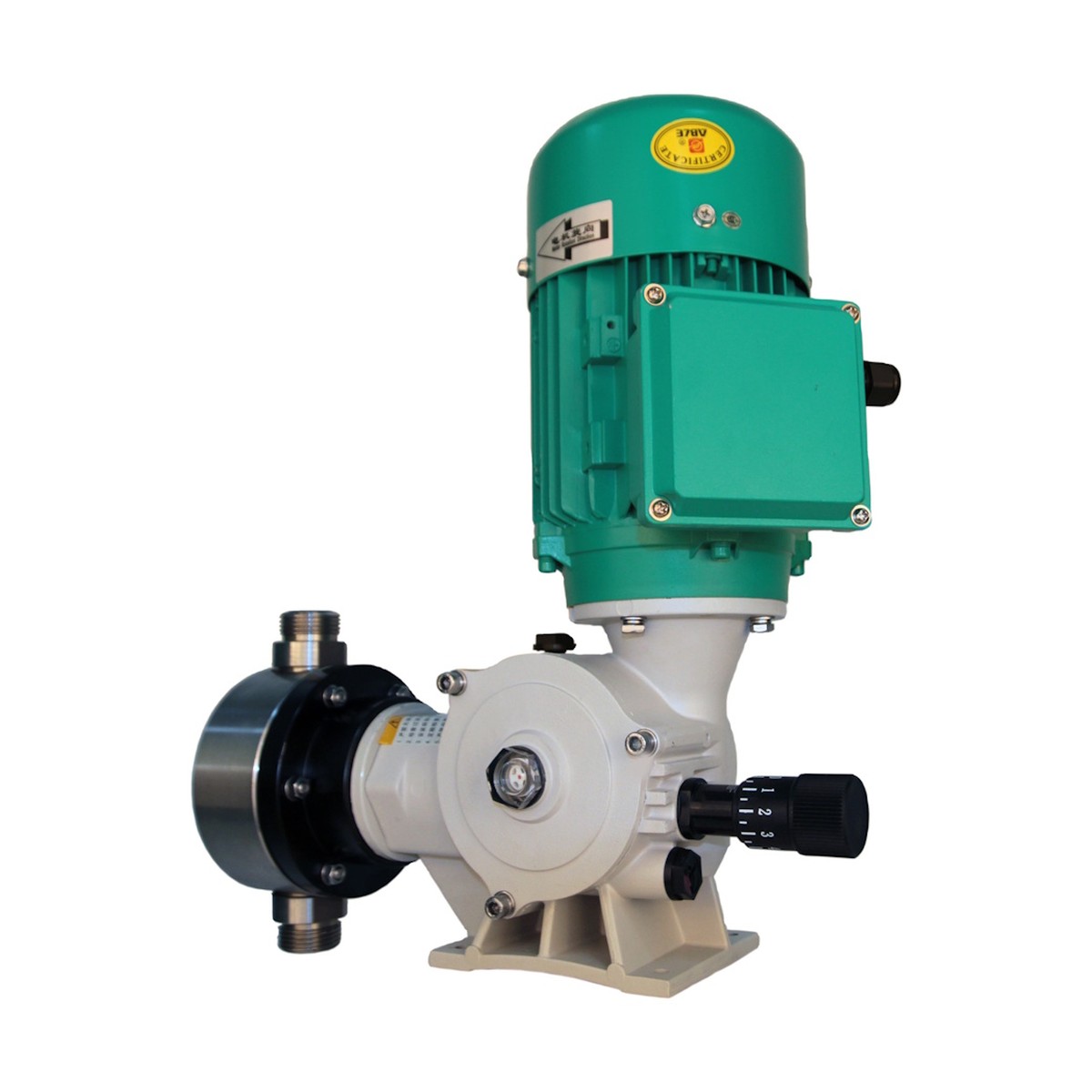
Metering Pump
HND
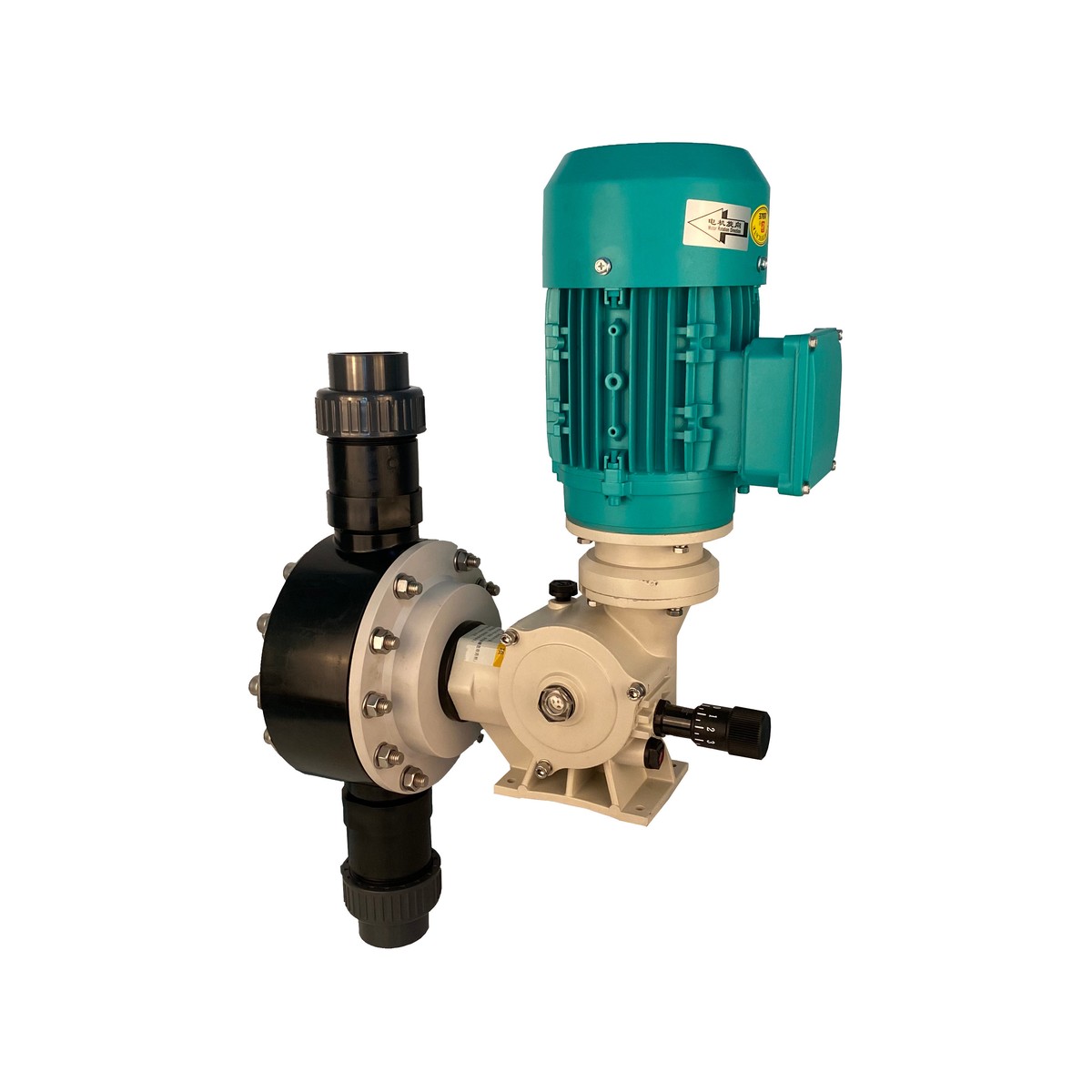
Metering Pump
ND1000
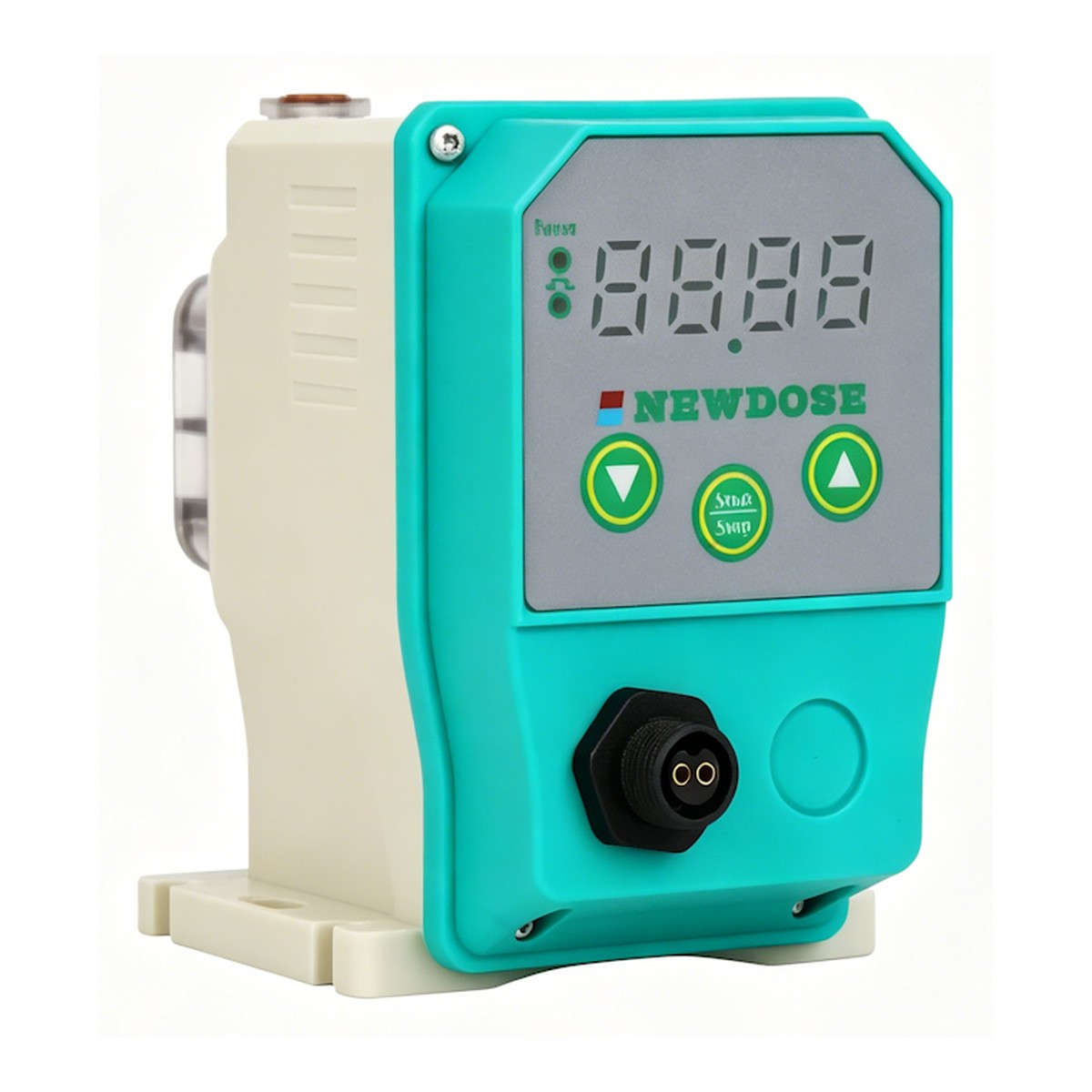
Metering Pump
EC
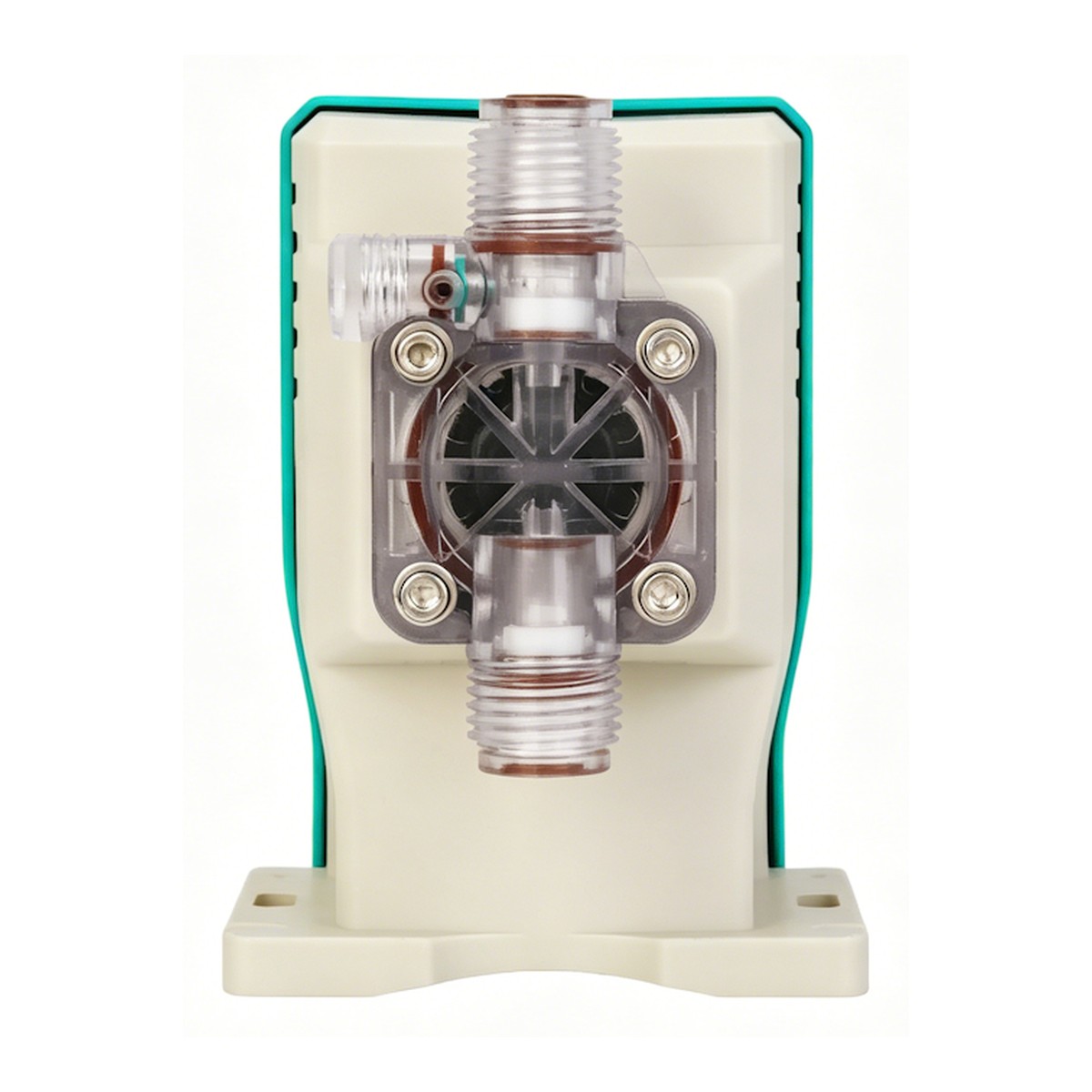
Metering Pump
EFD
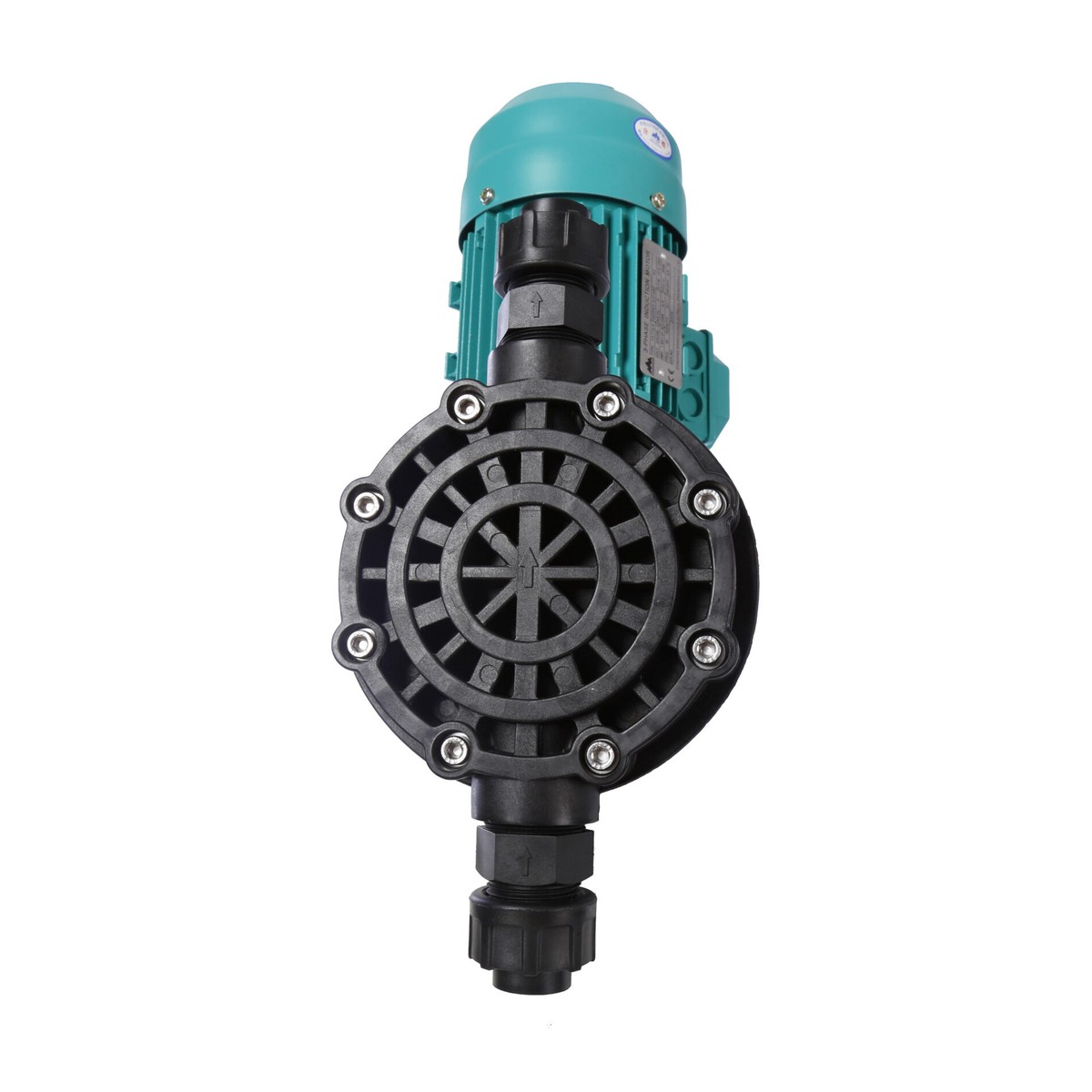
Metering Pump
NDWL
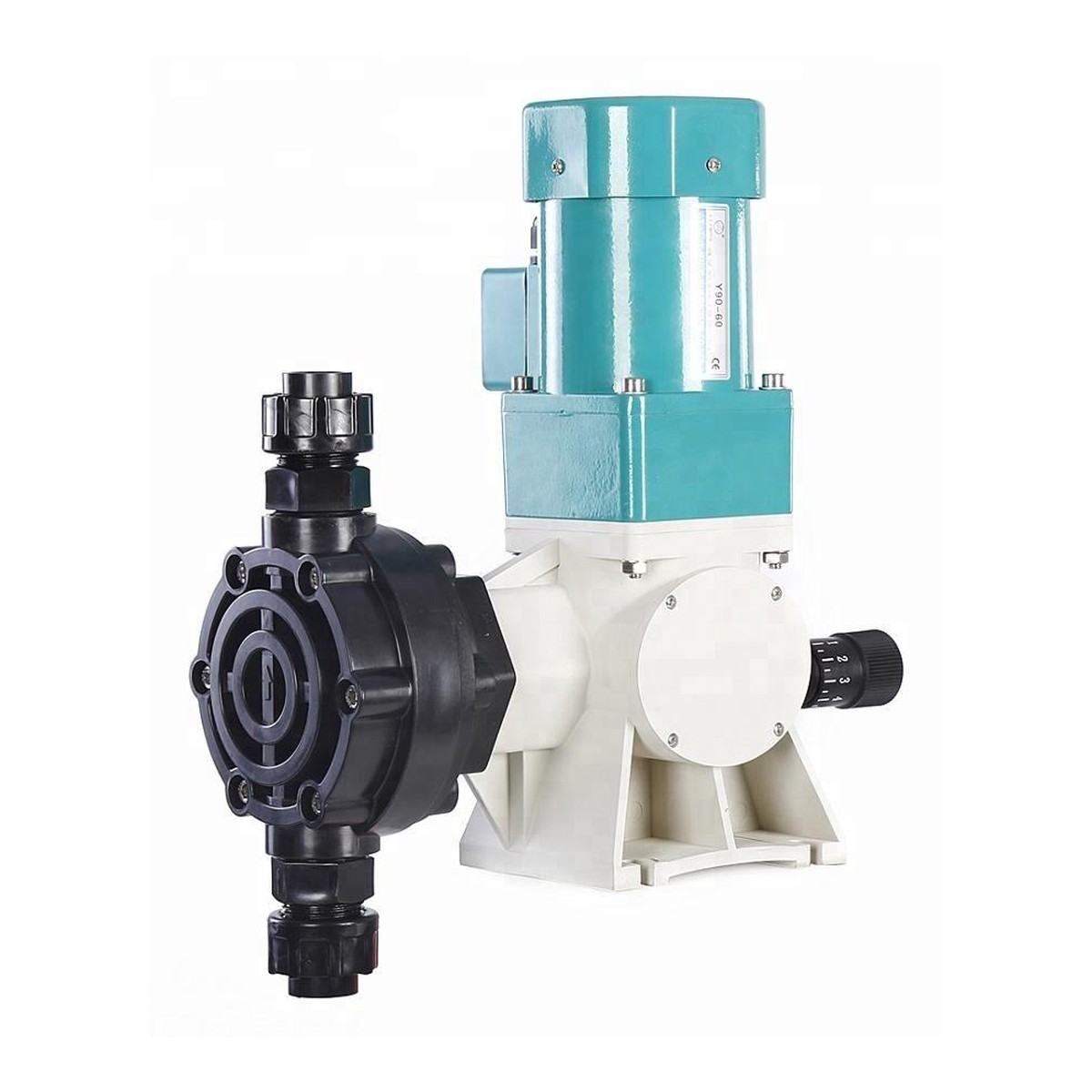
Metering Pump
NDJ
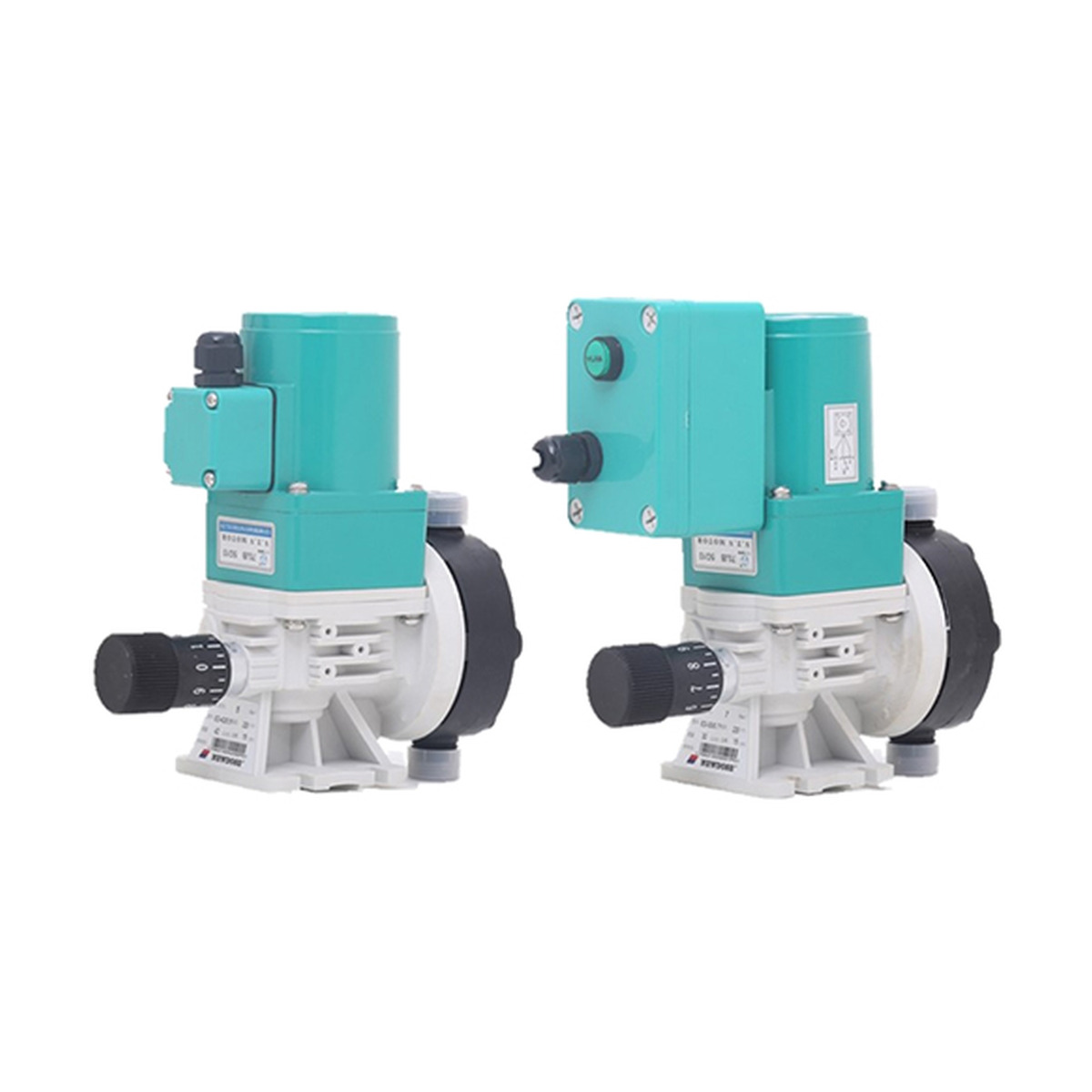
Metering Pump
EDose
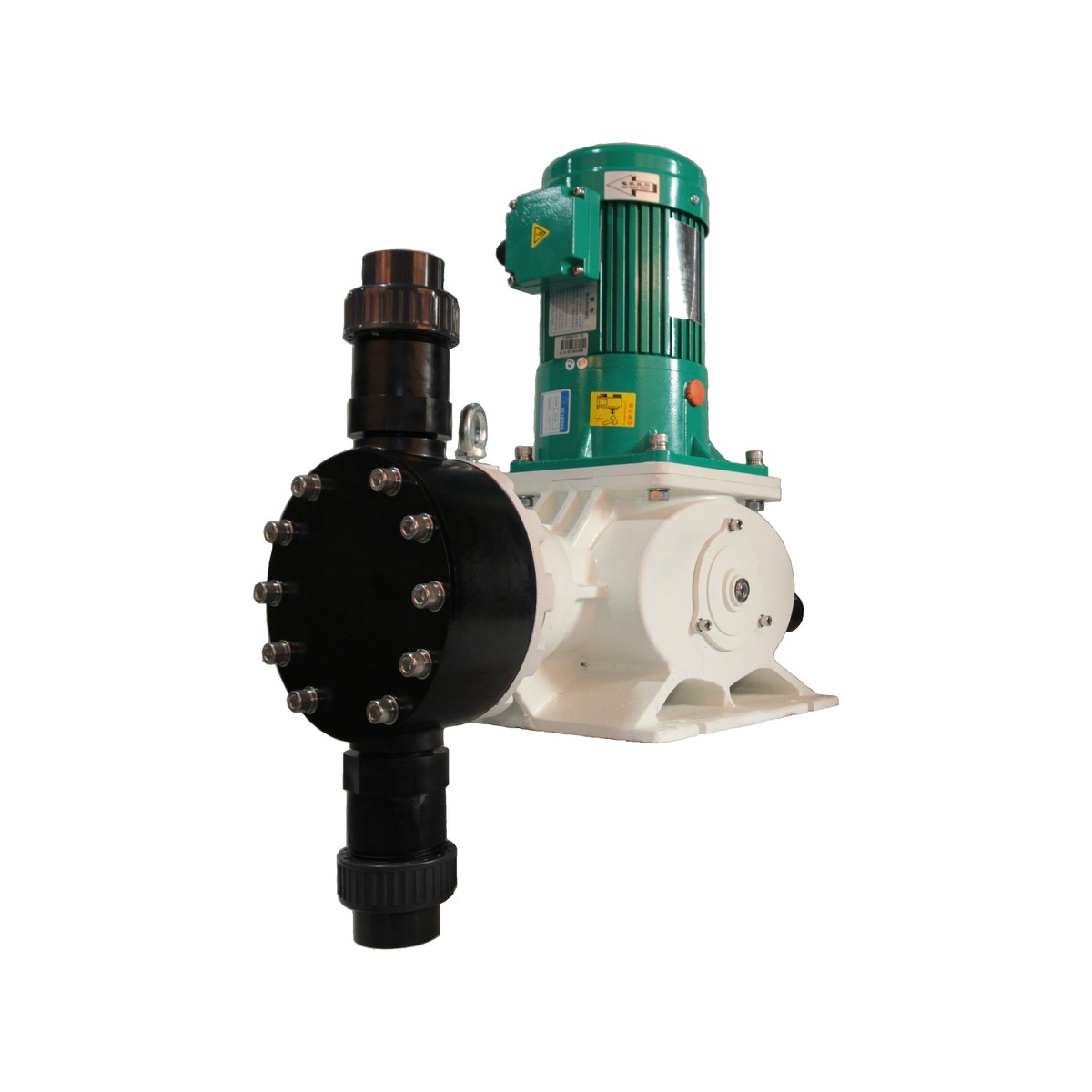
Metering Pump
ND2000
Metering Pump
DP
Metering Pump
DM
Metering Pump
DC
Metering Pump
EP
Metering Pump
EM
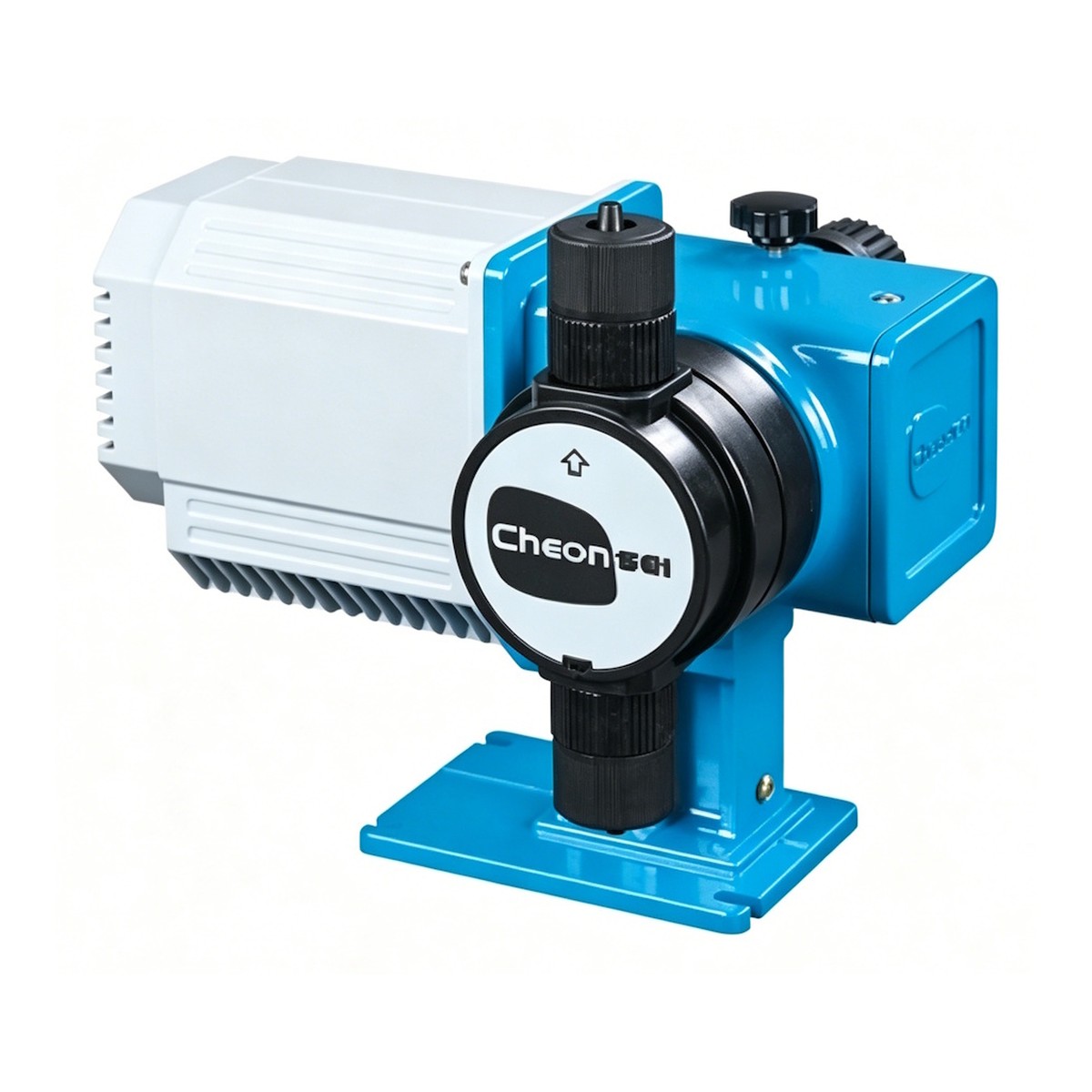
Metering Pump
AX
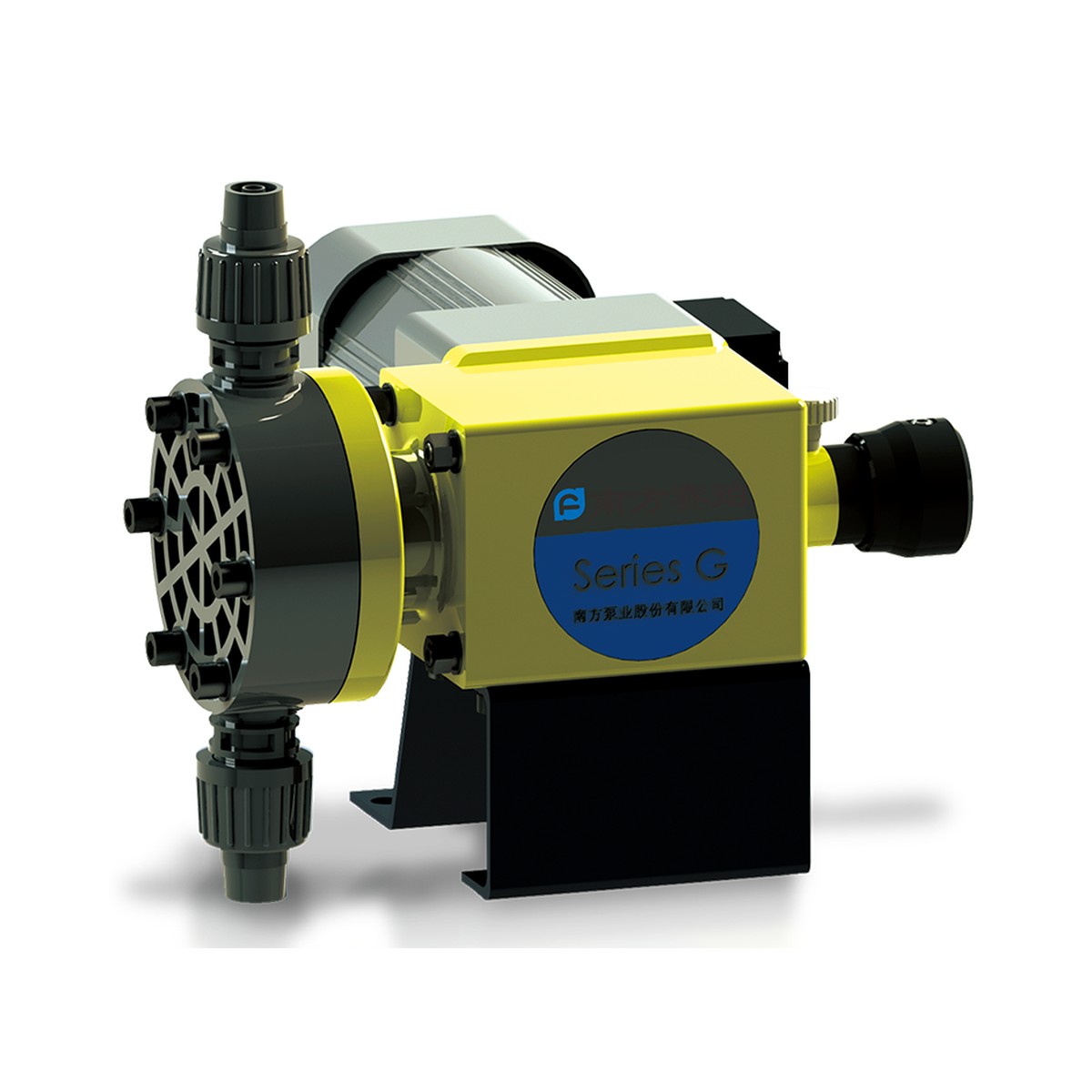
Metering Pump
GW/GS
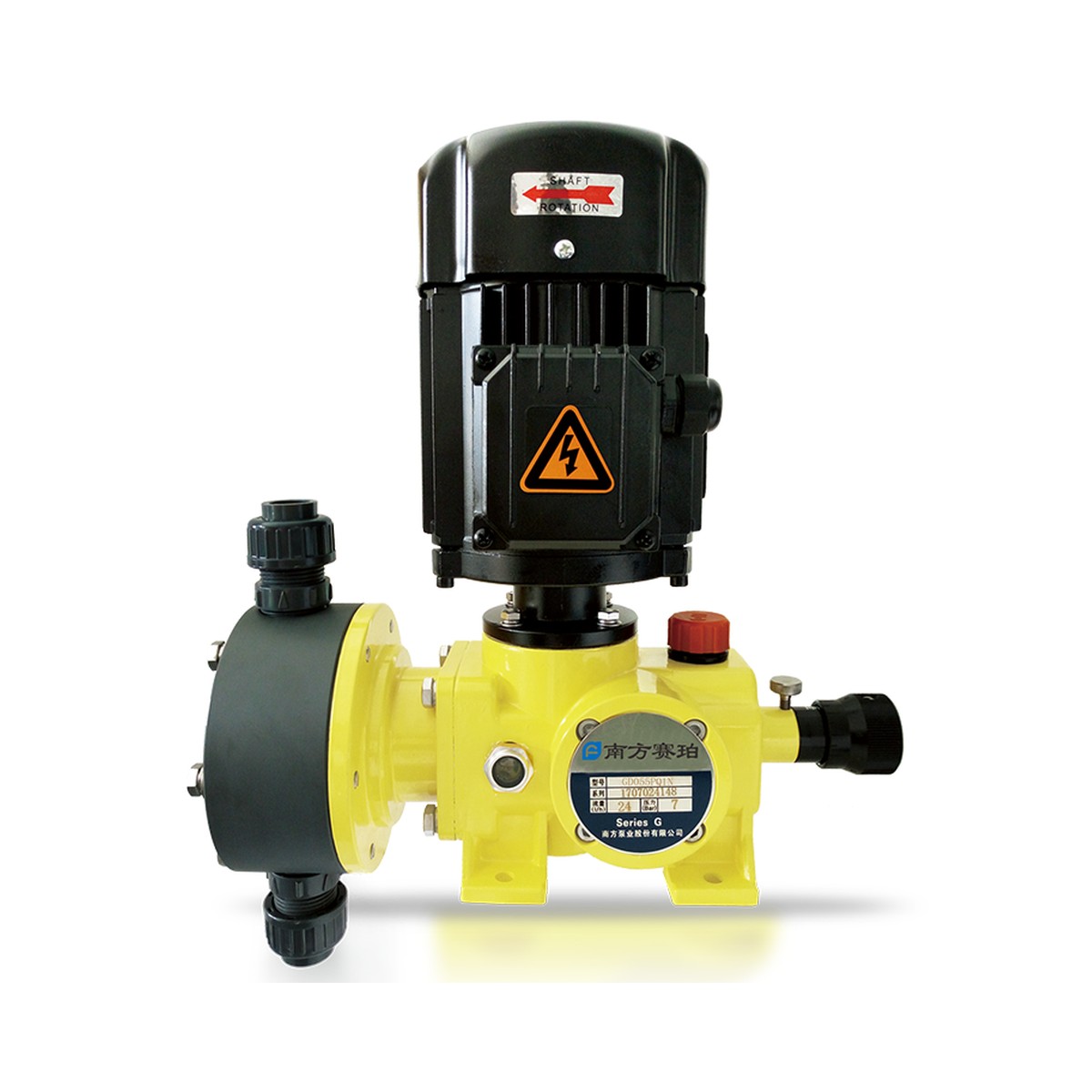
Metering Pump
GD
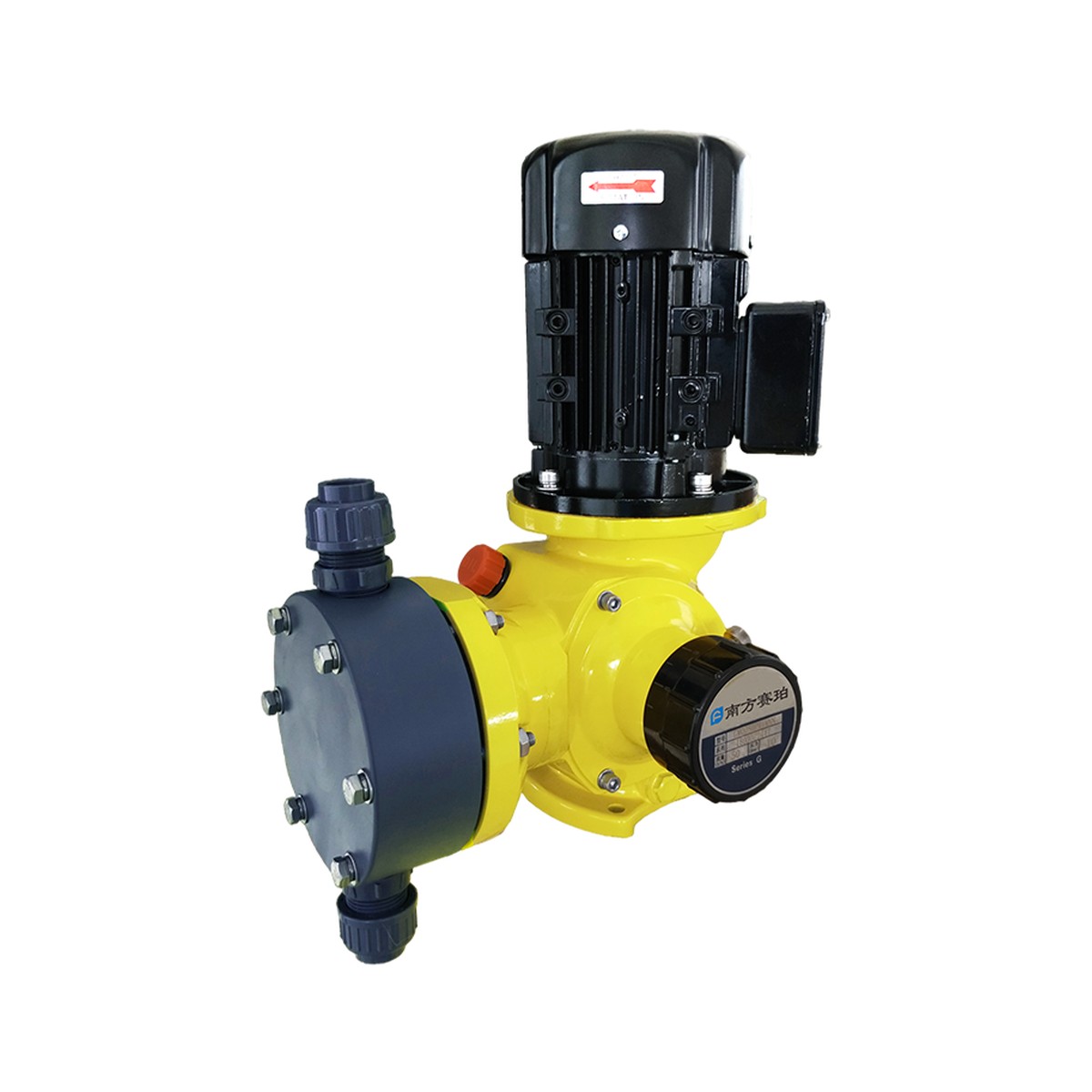
Metering Pump
GM/GB
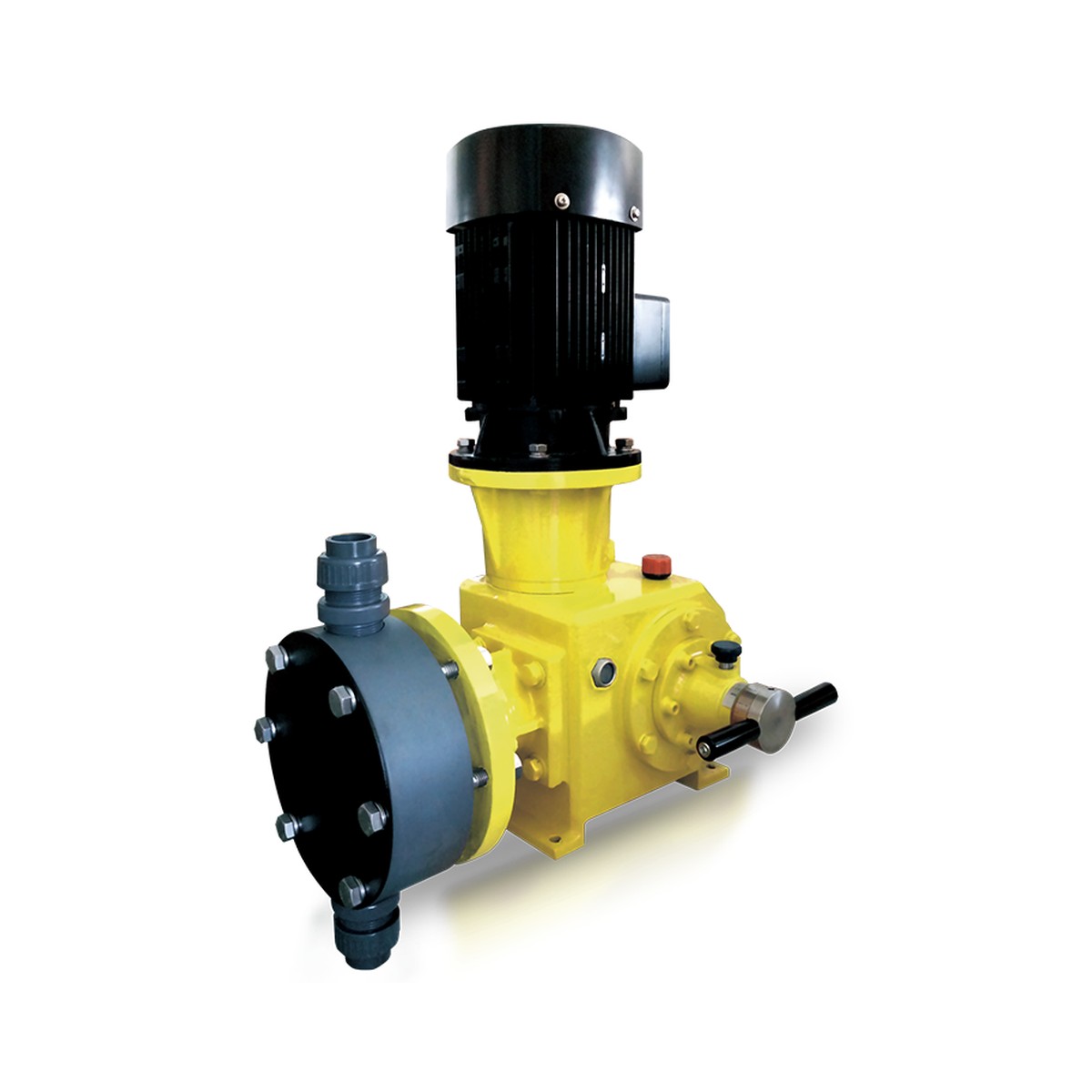
Metering Pump
GX/2GX
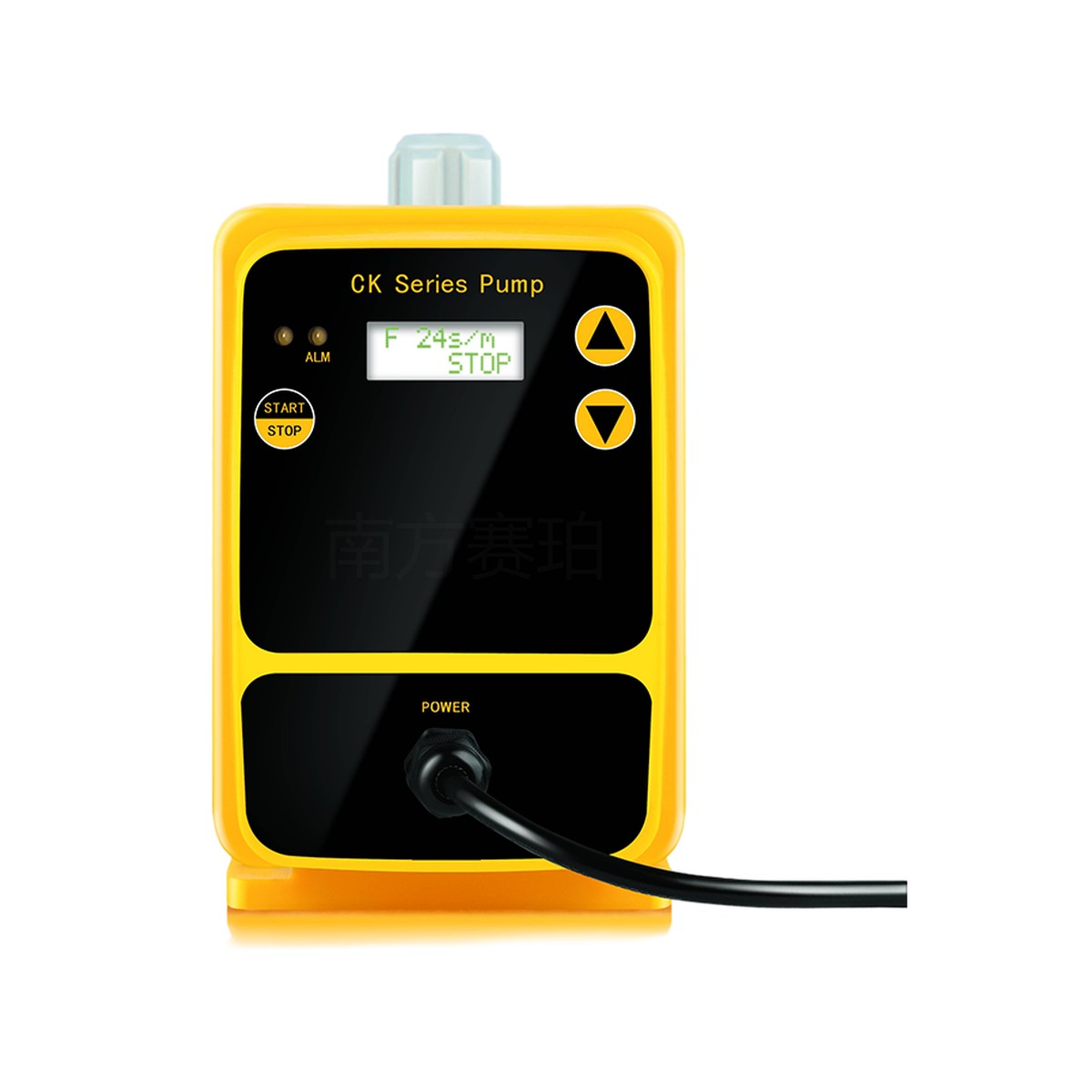
Metering Pump
CK
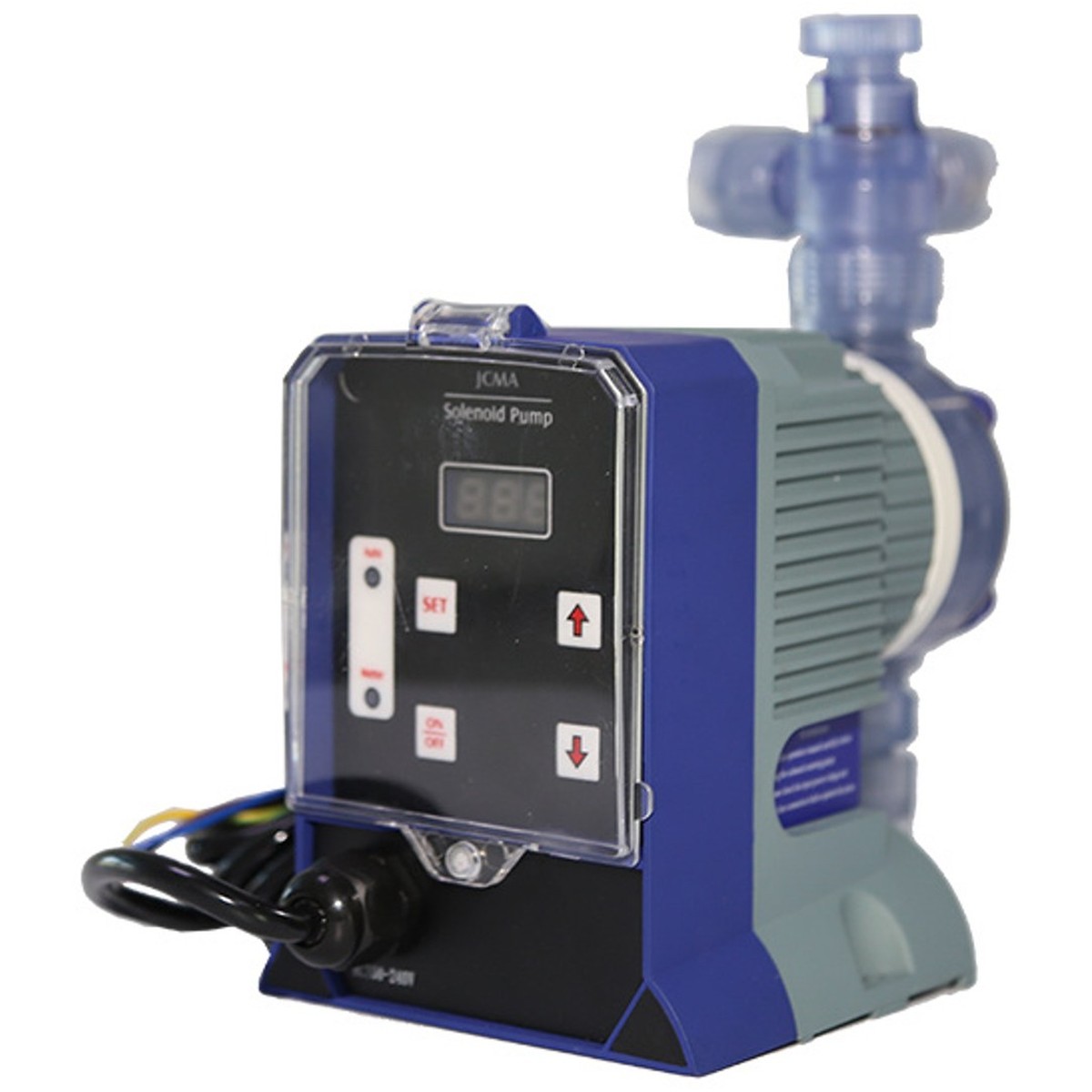
Metering Pump
JCMA
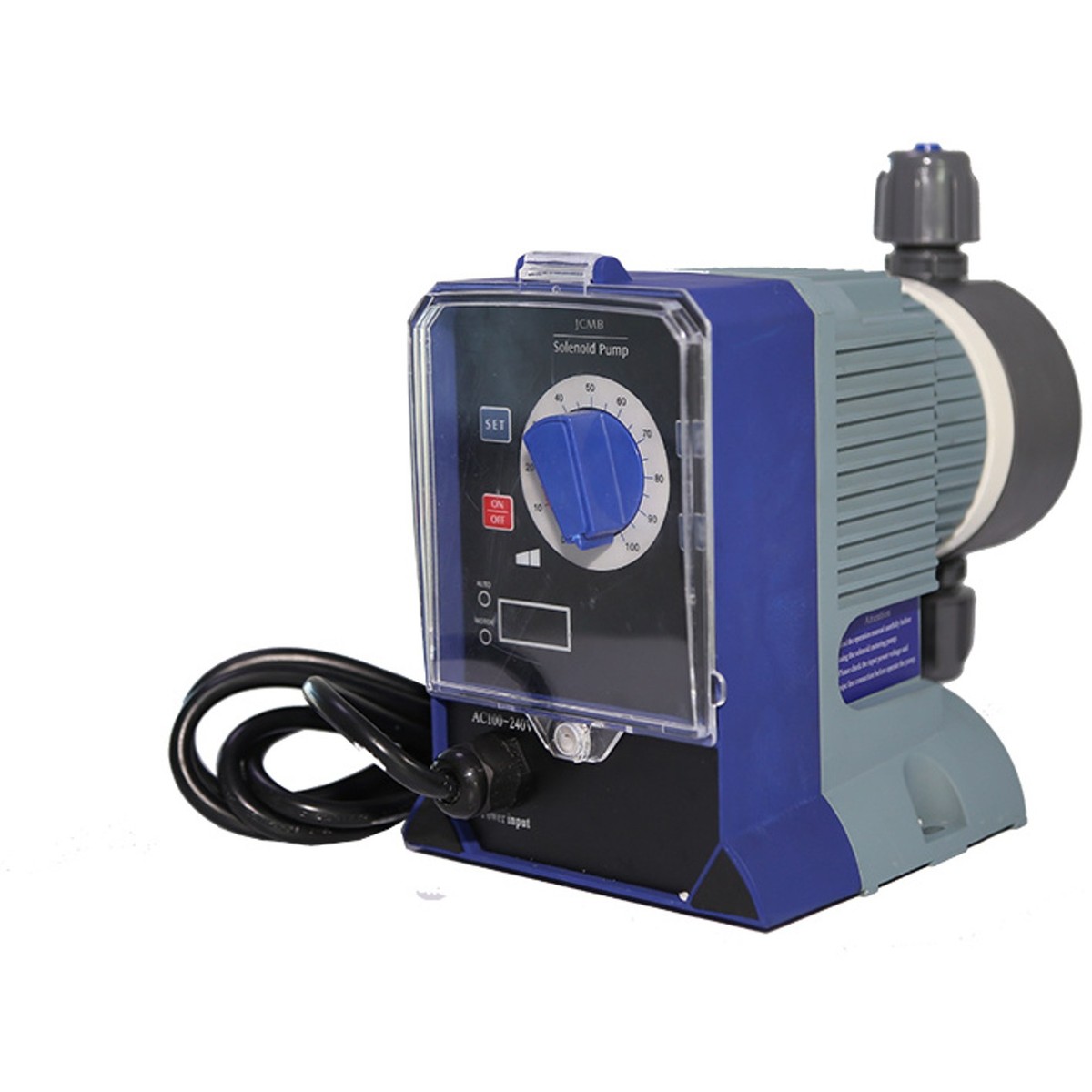
Metering Pump
JCMB
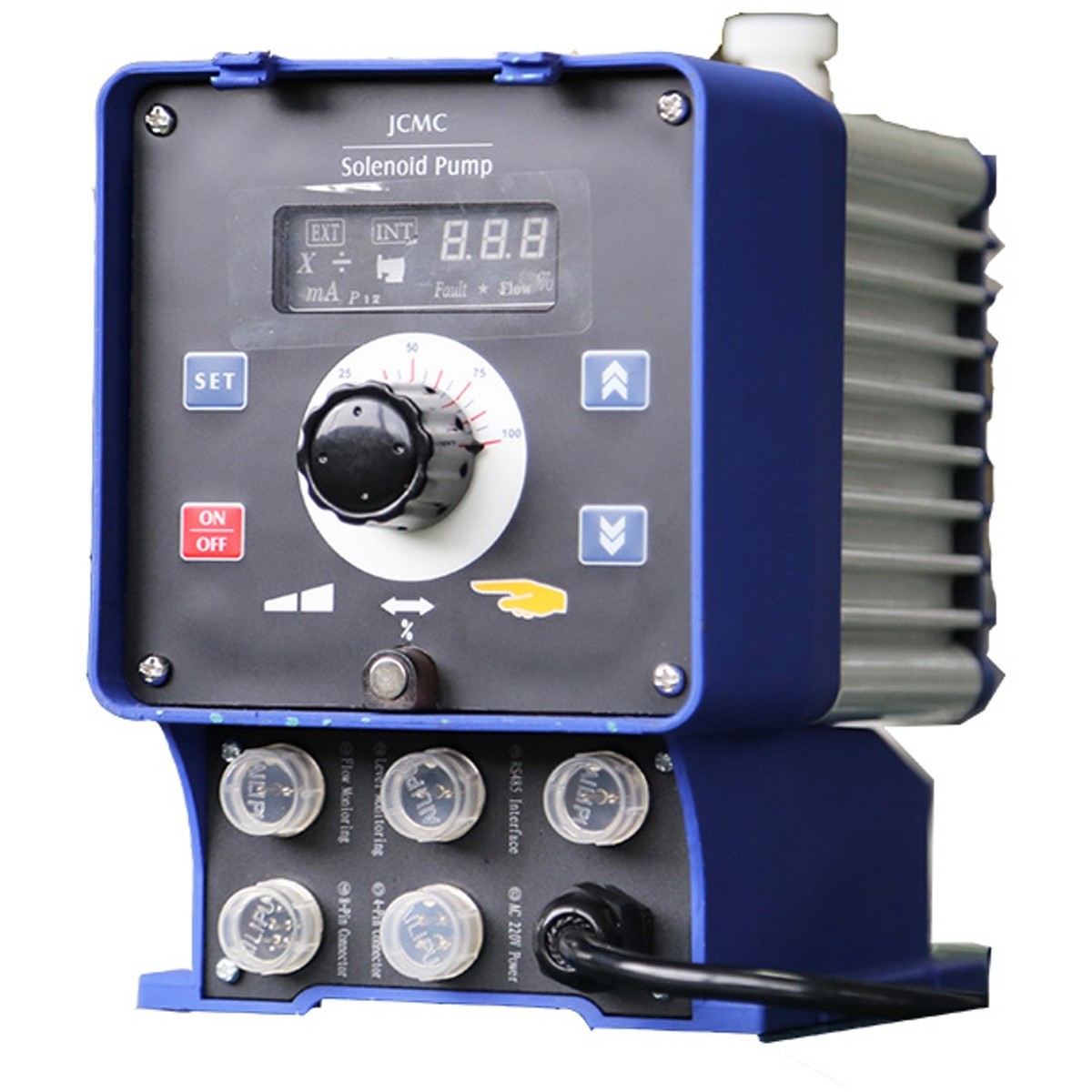
Metering Pump
JCMC
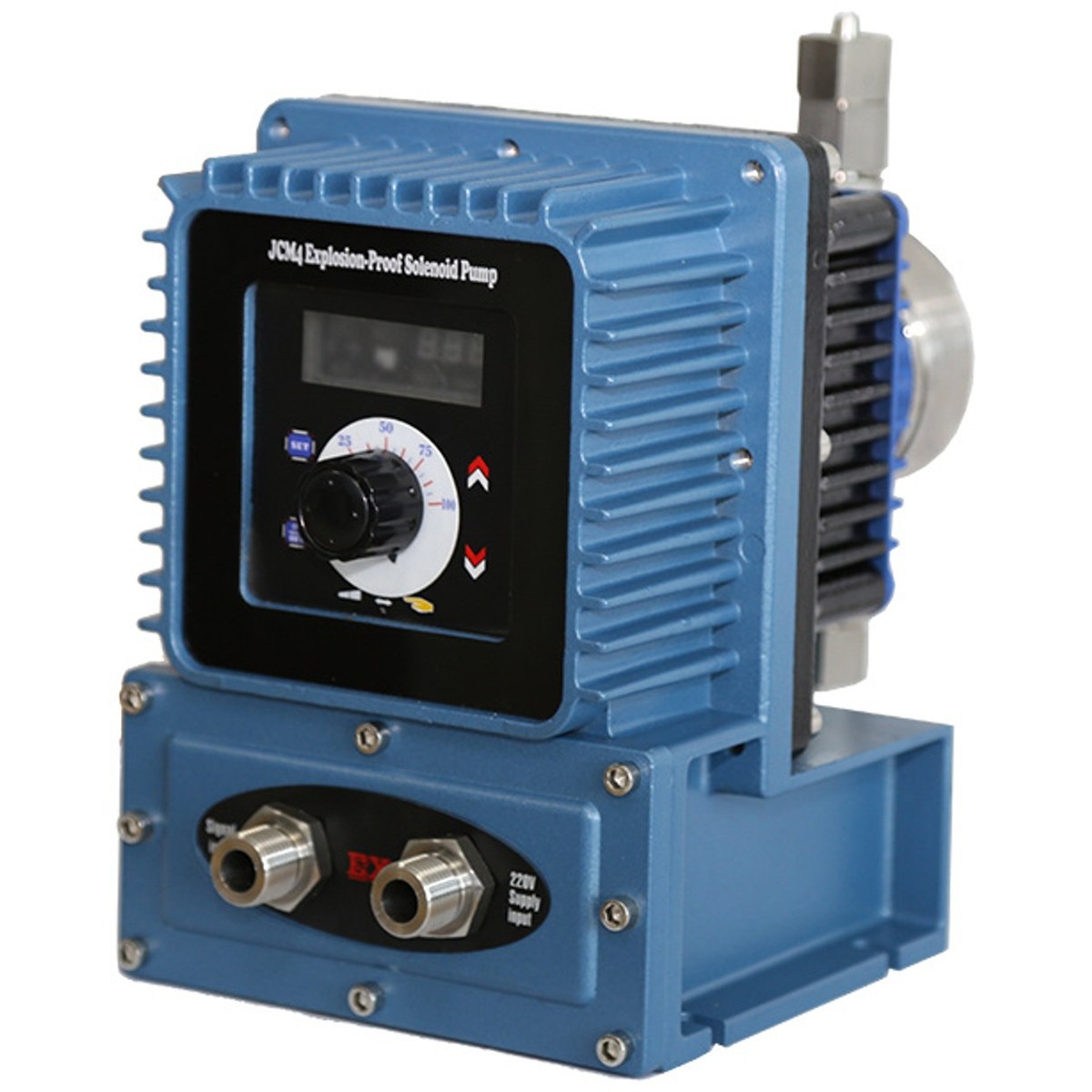
Metering Pump
JCM4
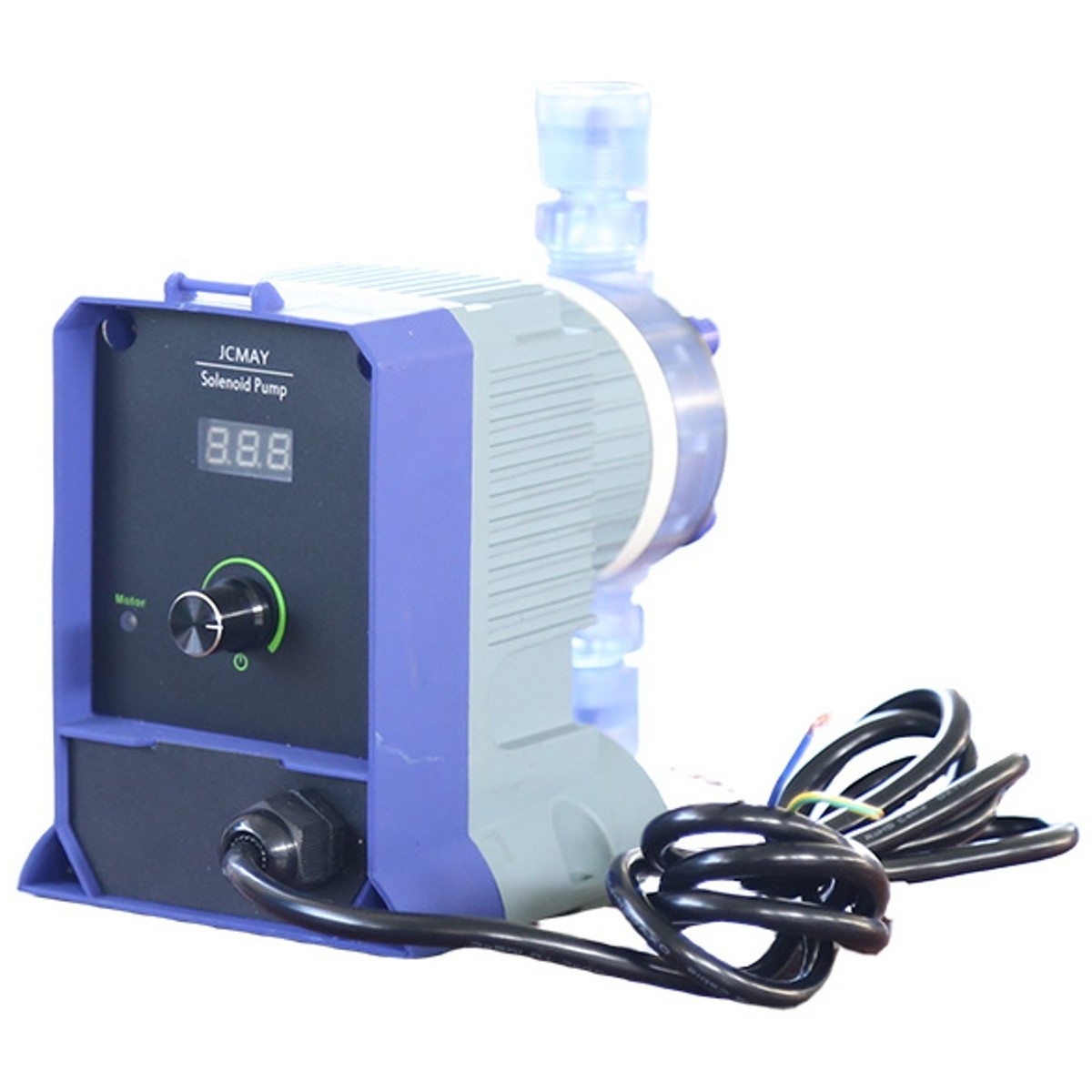
Metering Pump
JCMAY
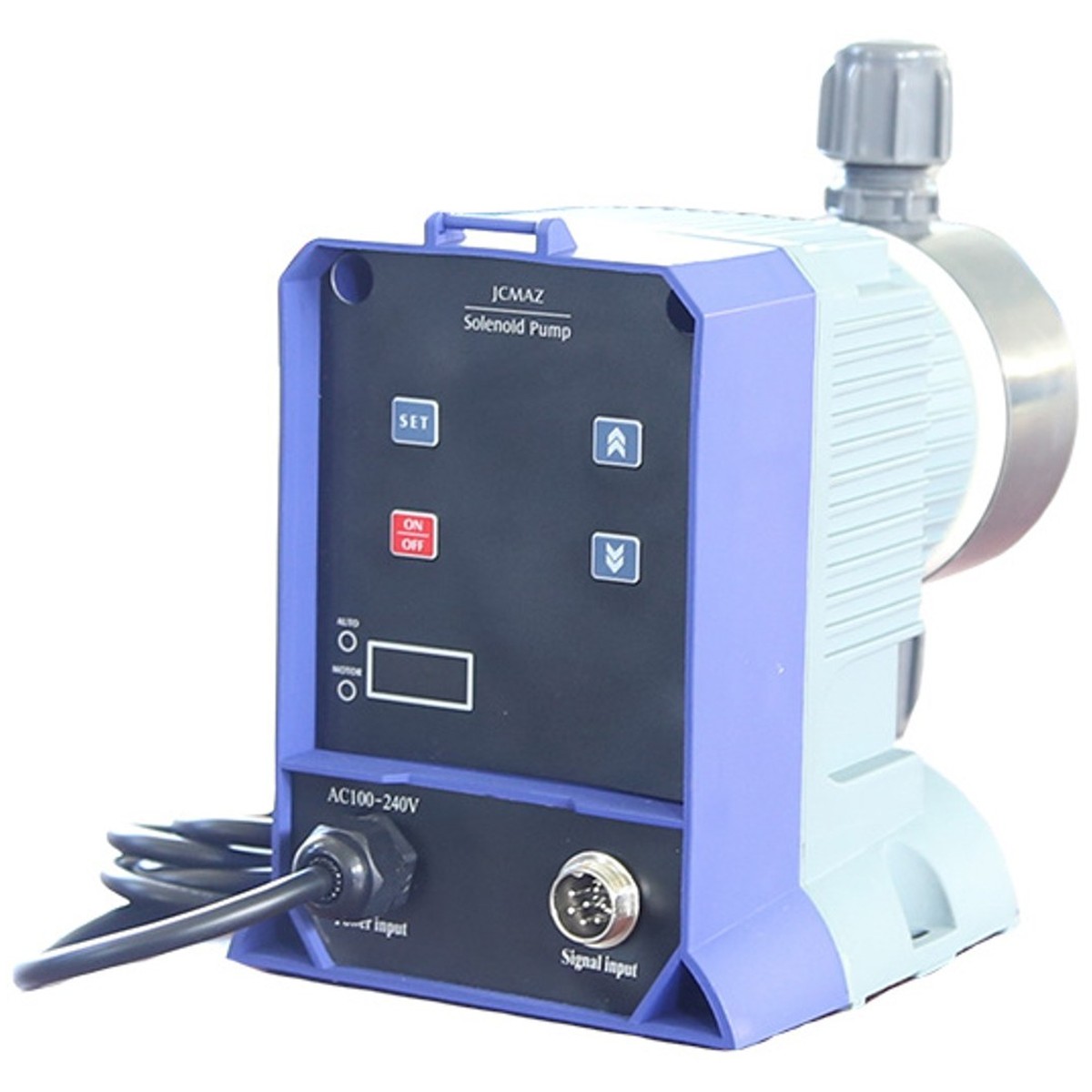
Metering Pump
JCMAZ
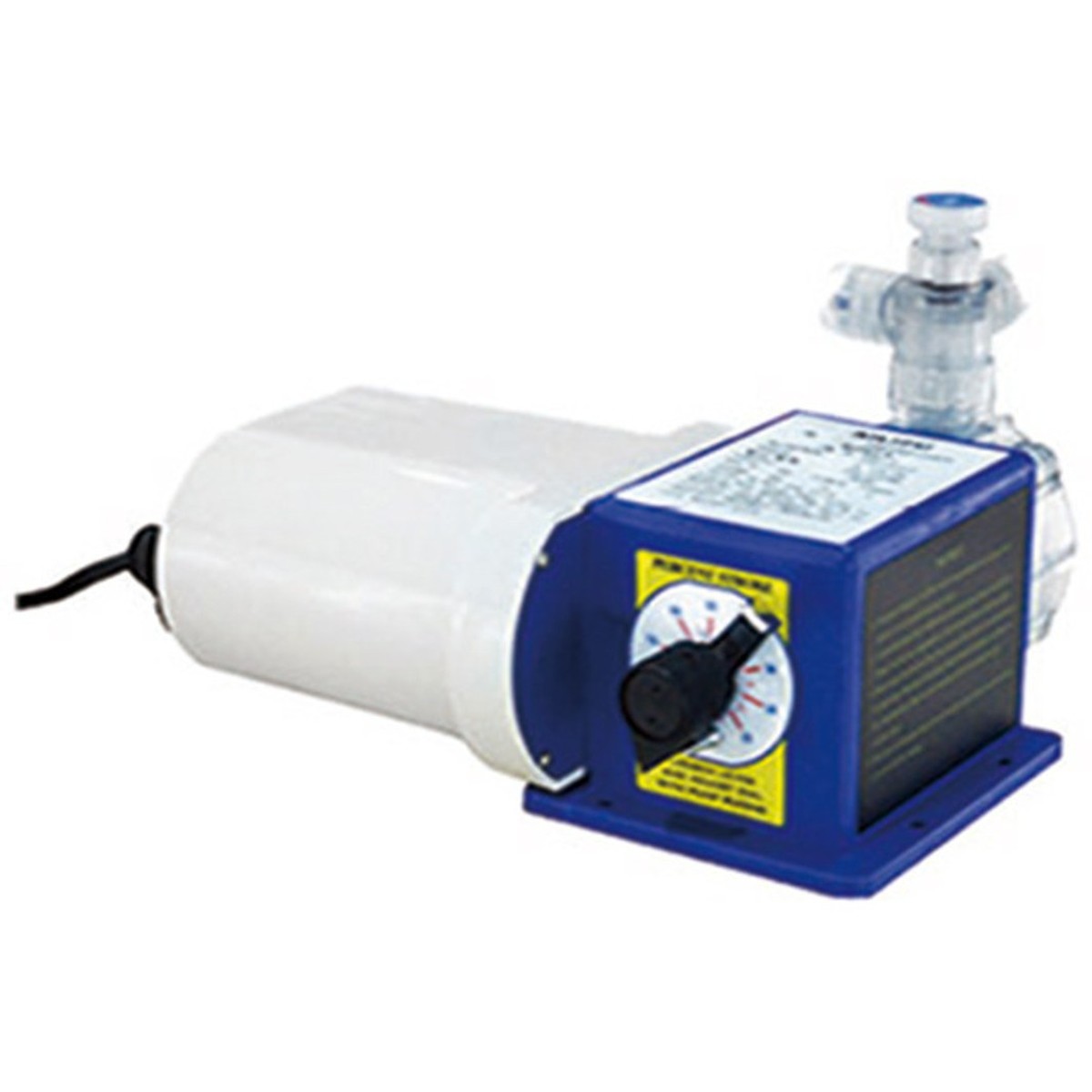
Metering Pump
JM
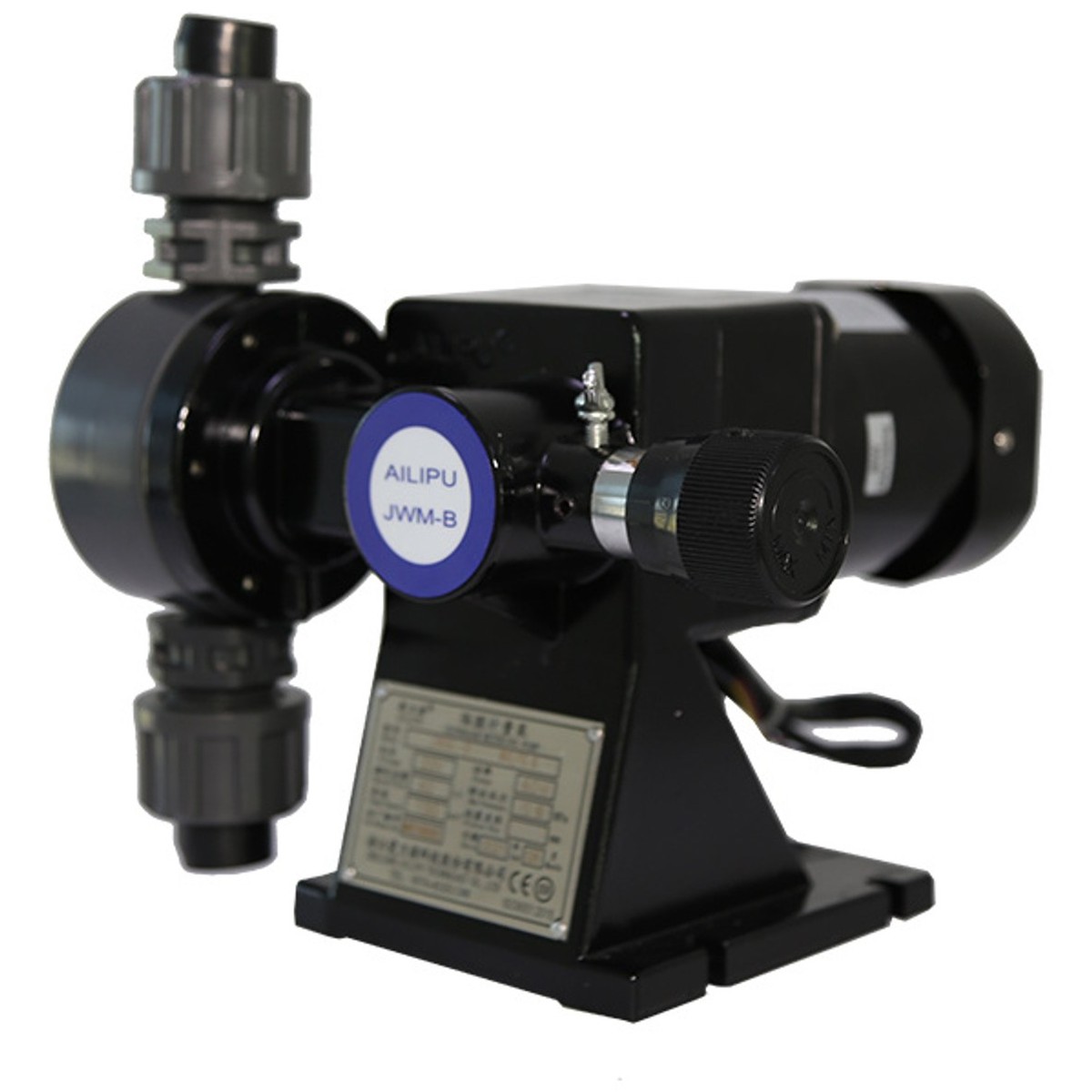
Metering Pump
JWM-B
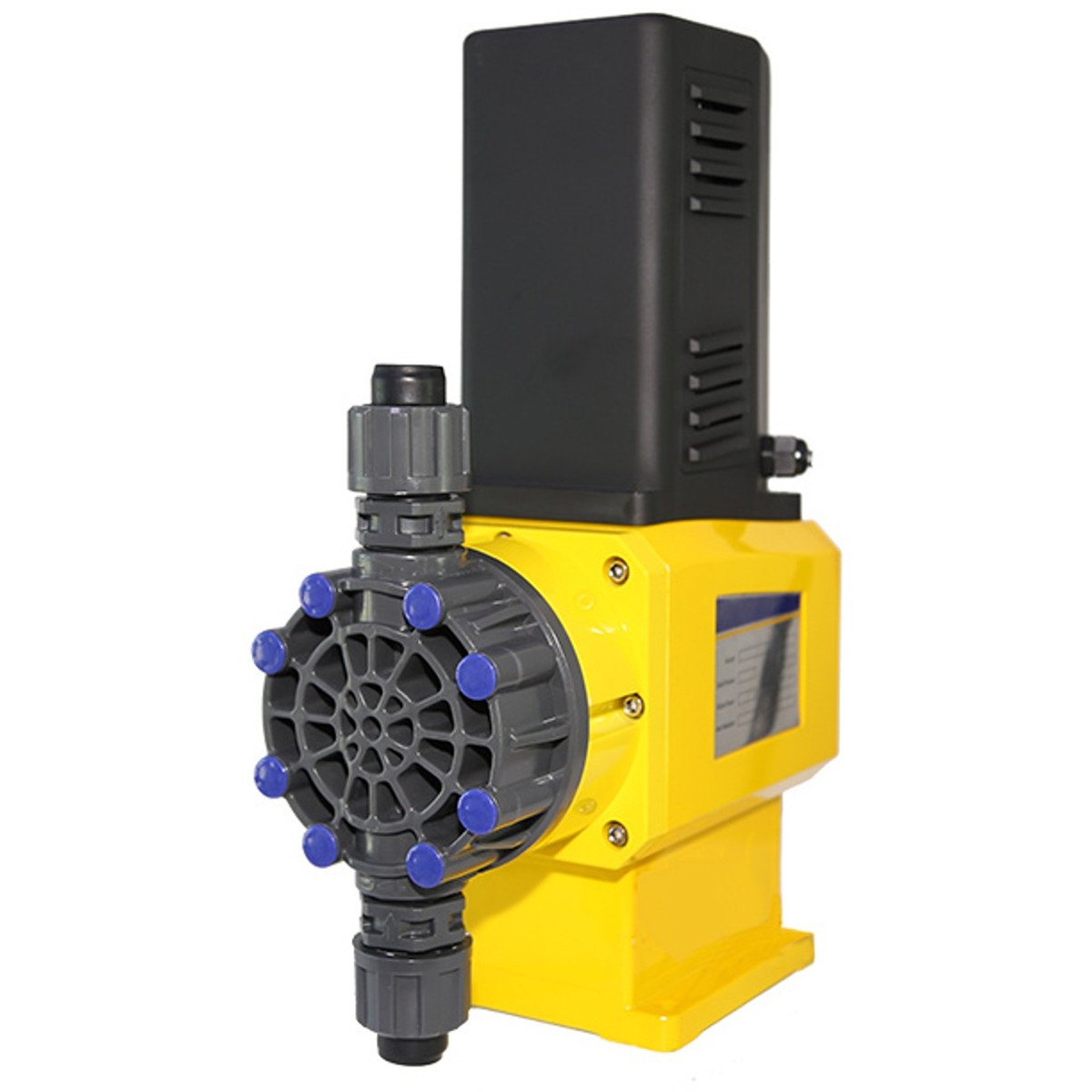
Metering Pump
JWM-C
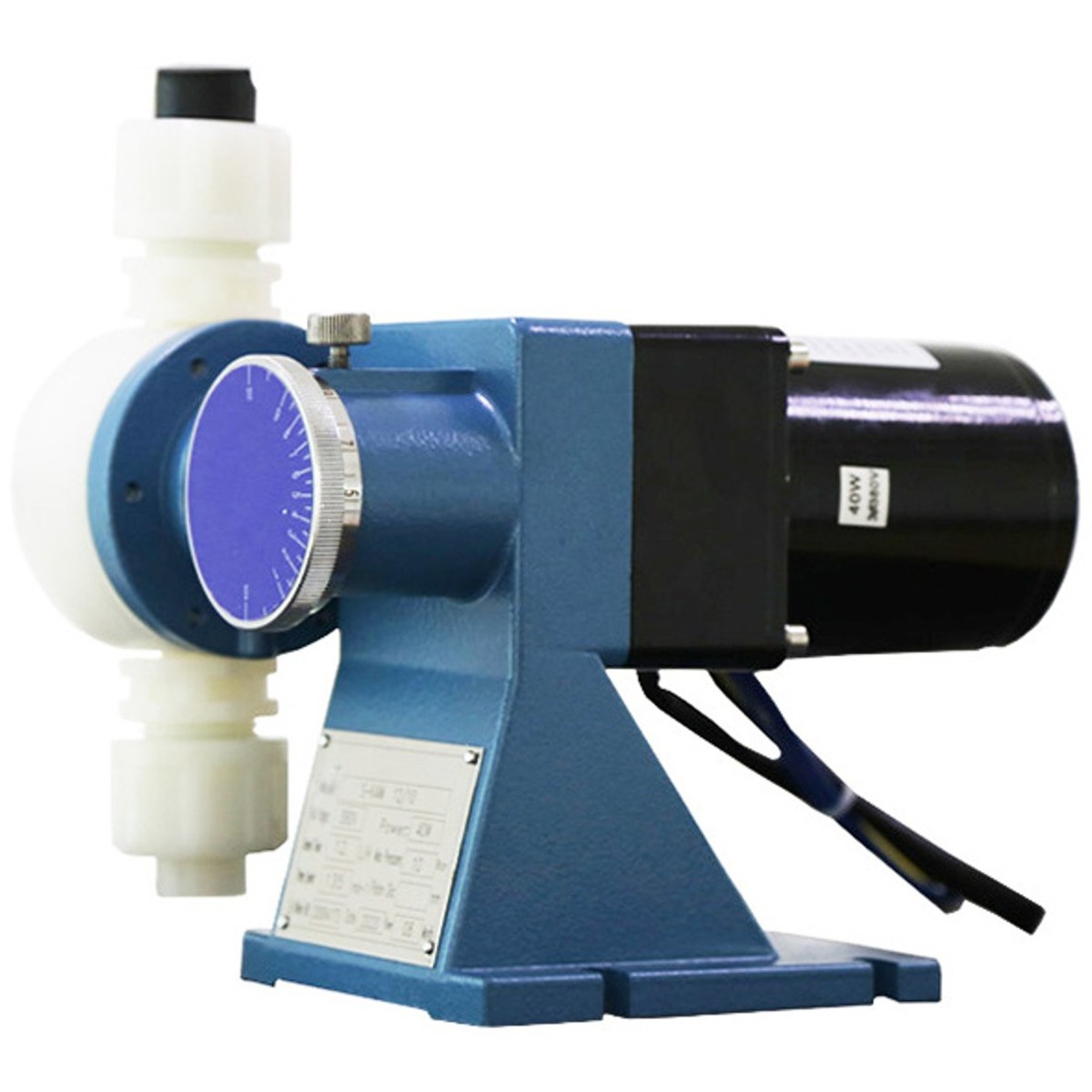
Metering Pump
JWM-A
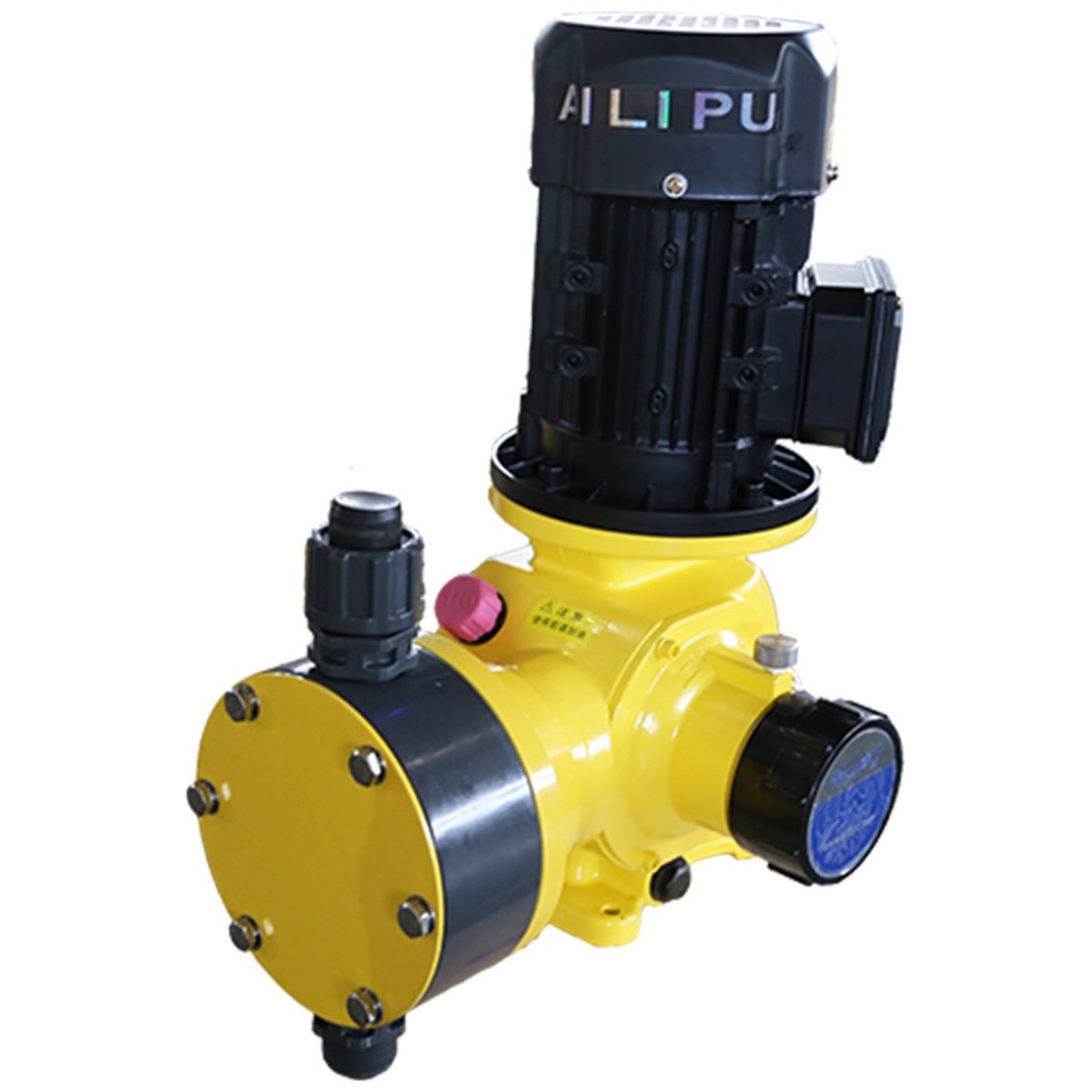
Metering Pump
JXM-A
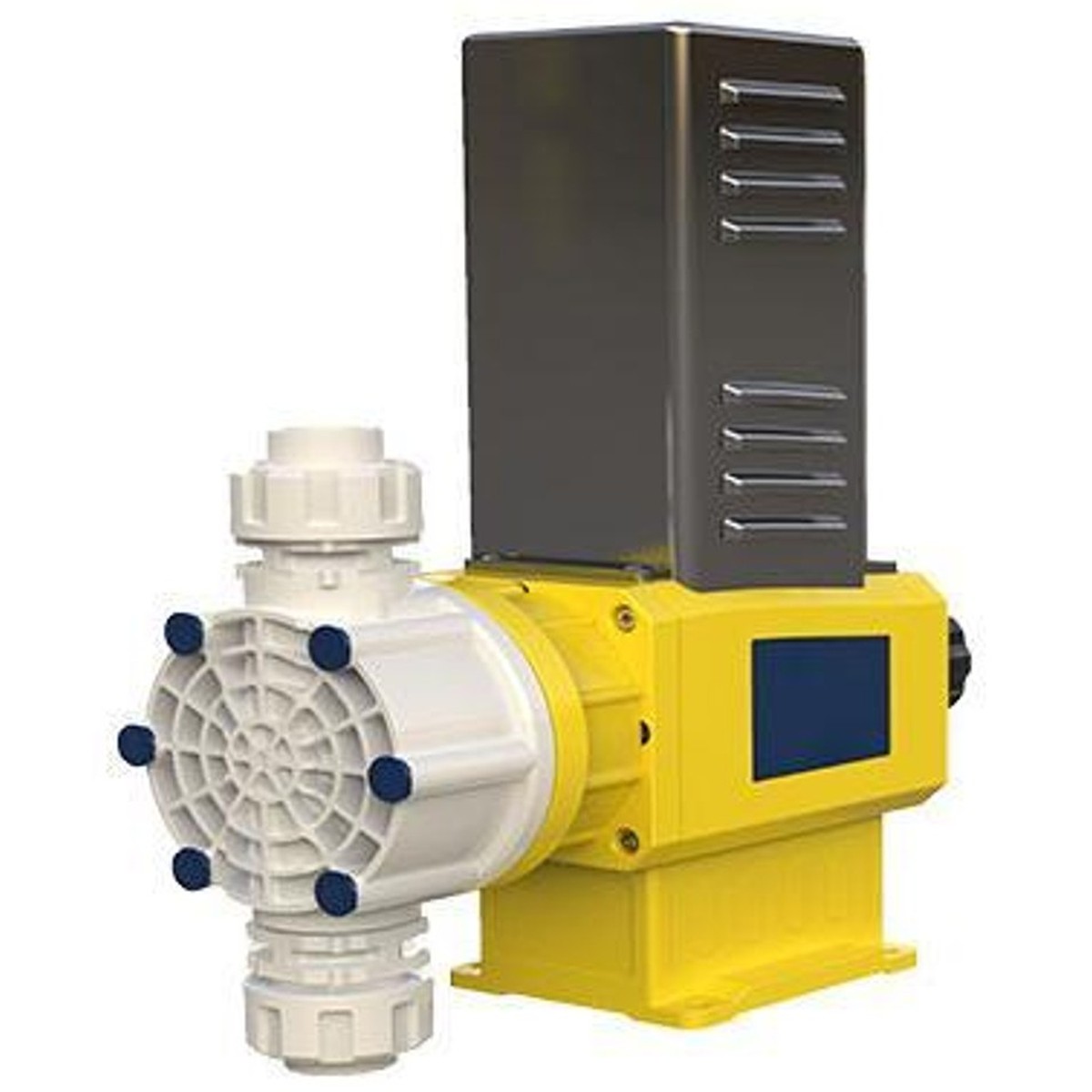
Metering Pump
JXM-C
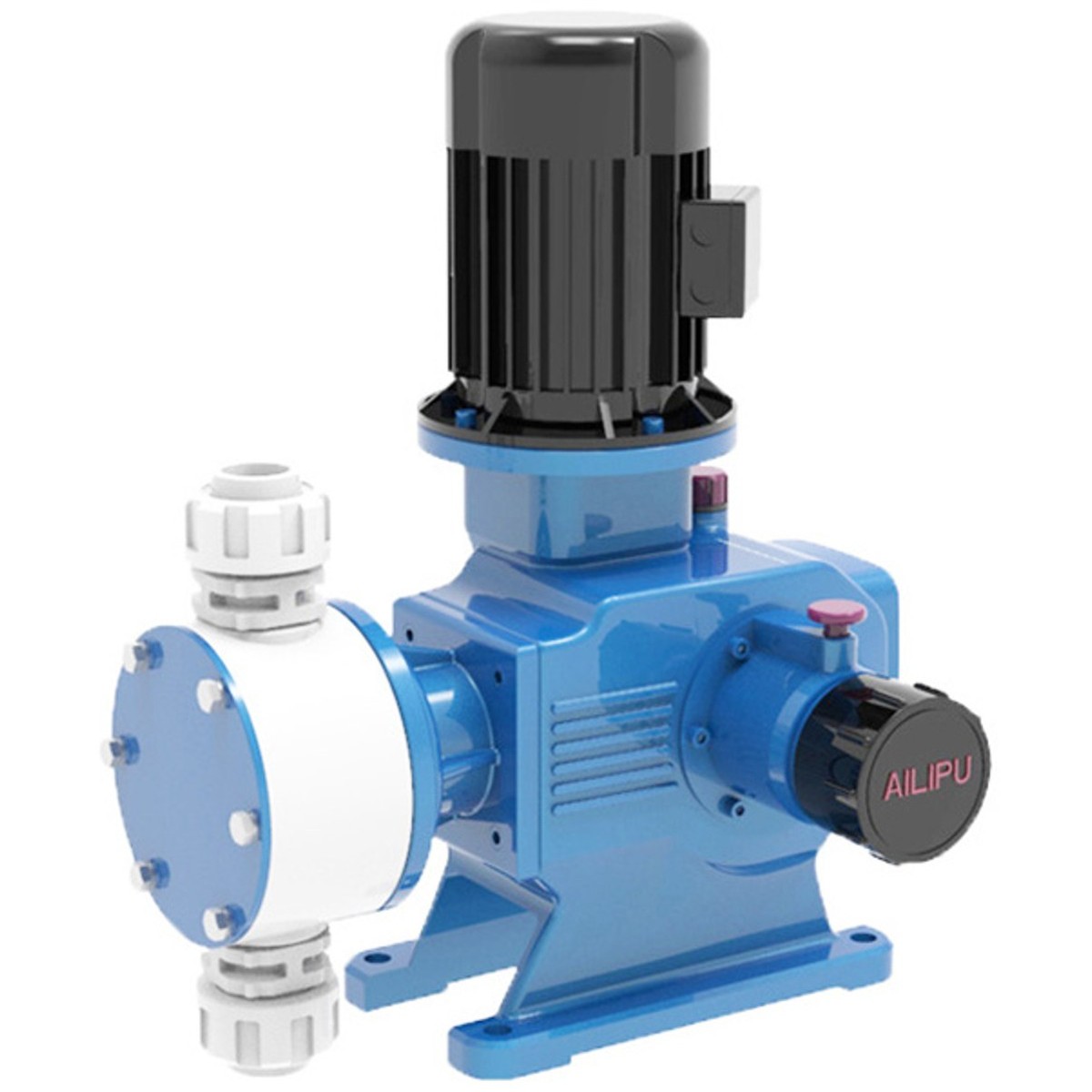
Metering Pump
JXM-D
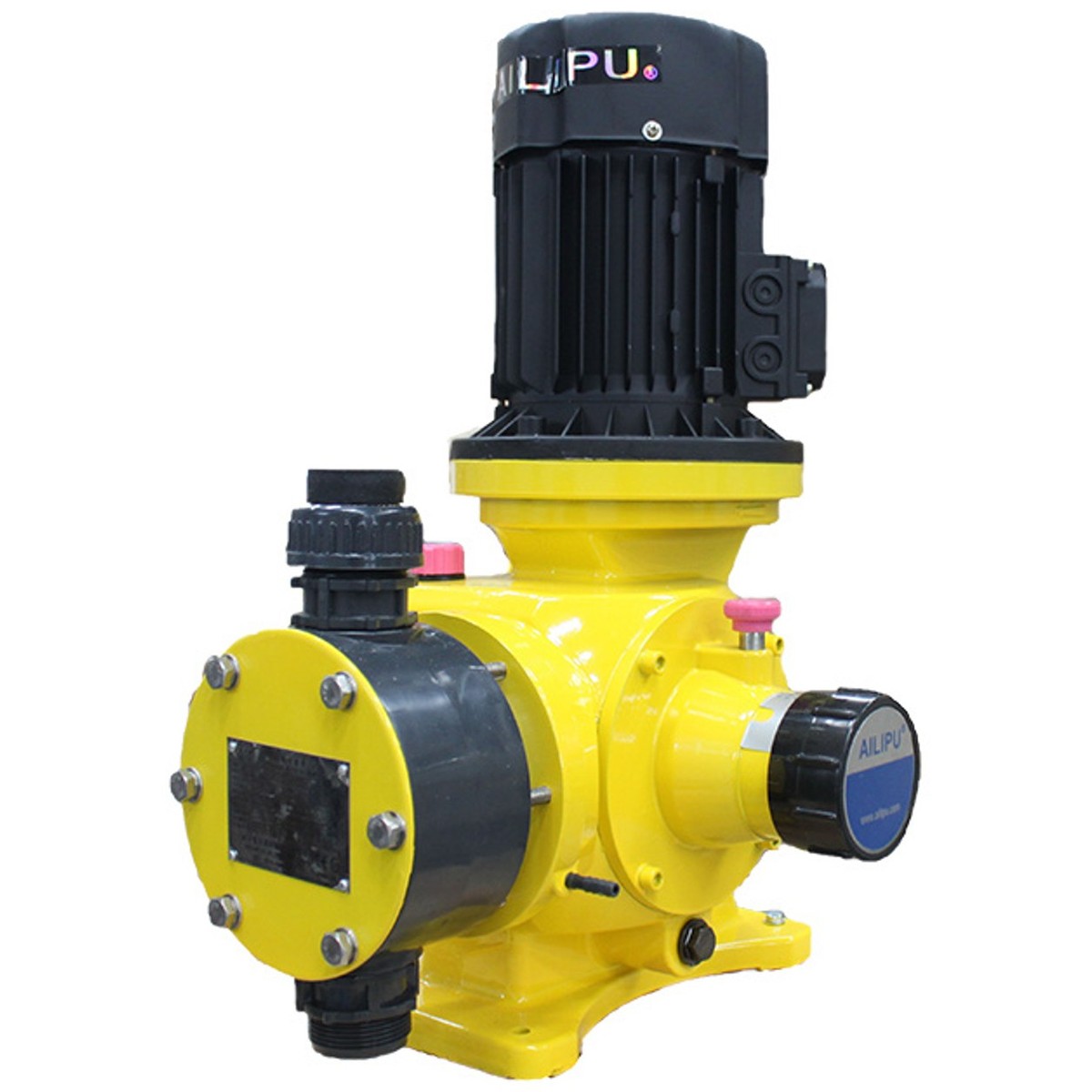
Metering Pump
JZM-A
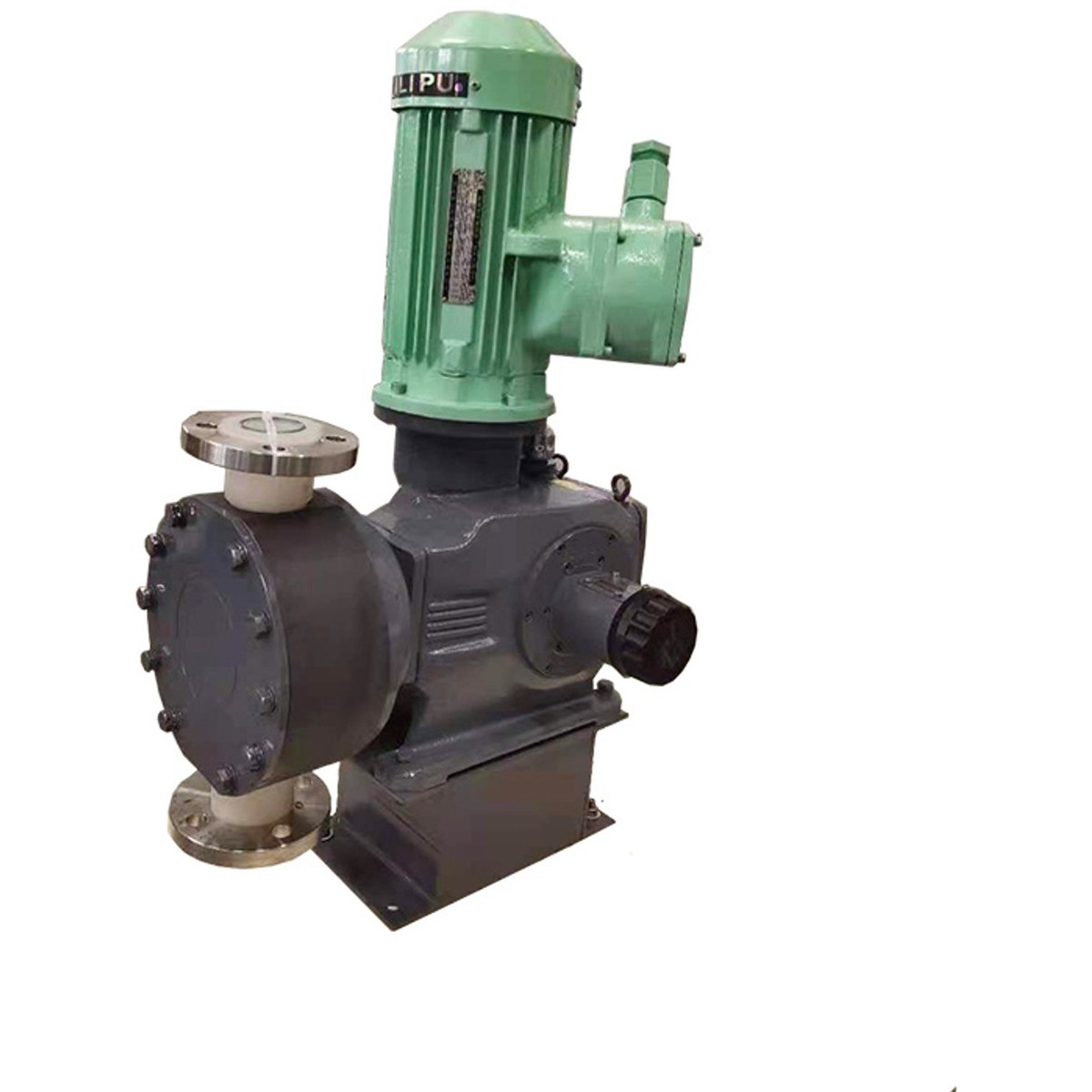
Metering Pump
JZM-D
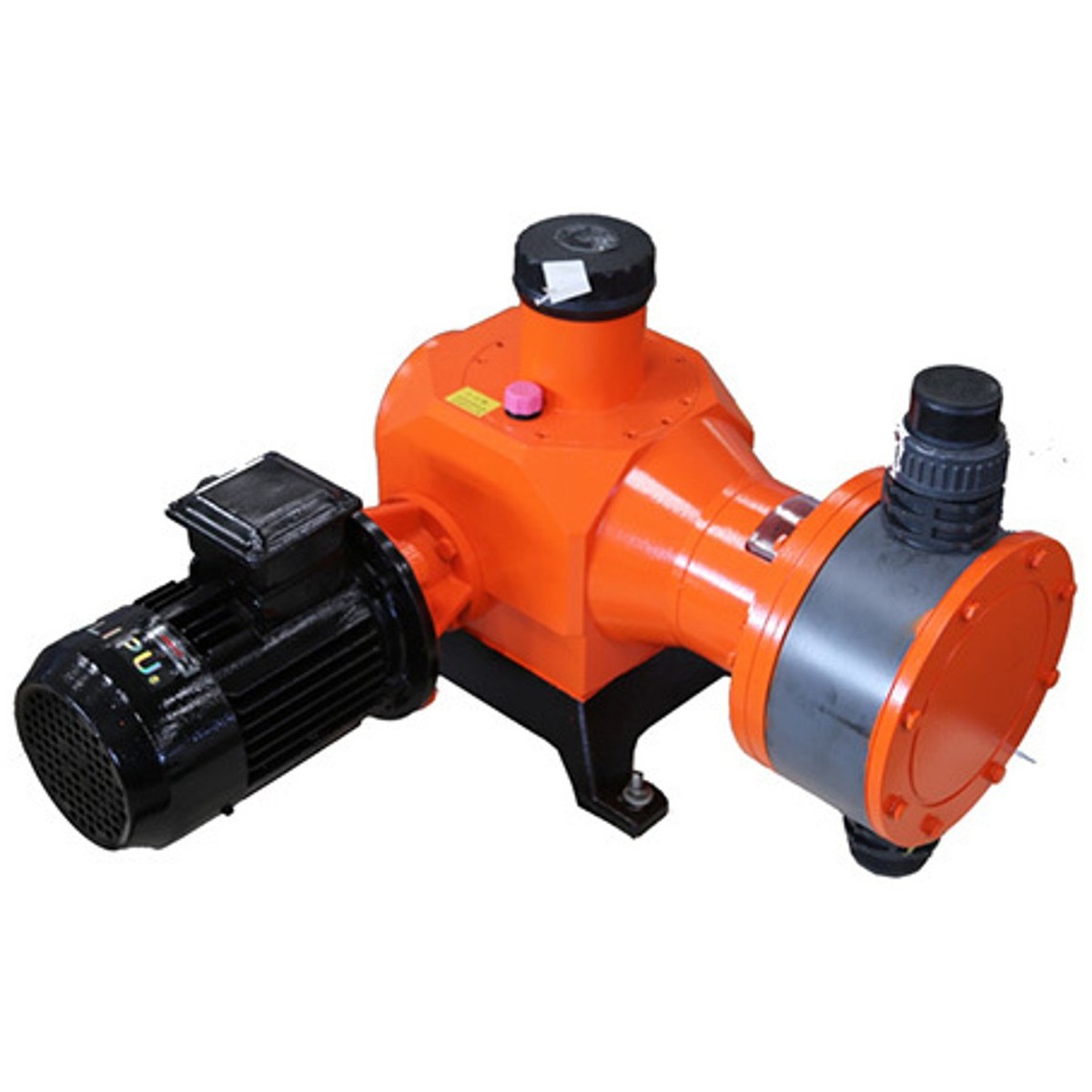
Metering Pump
JDM
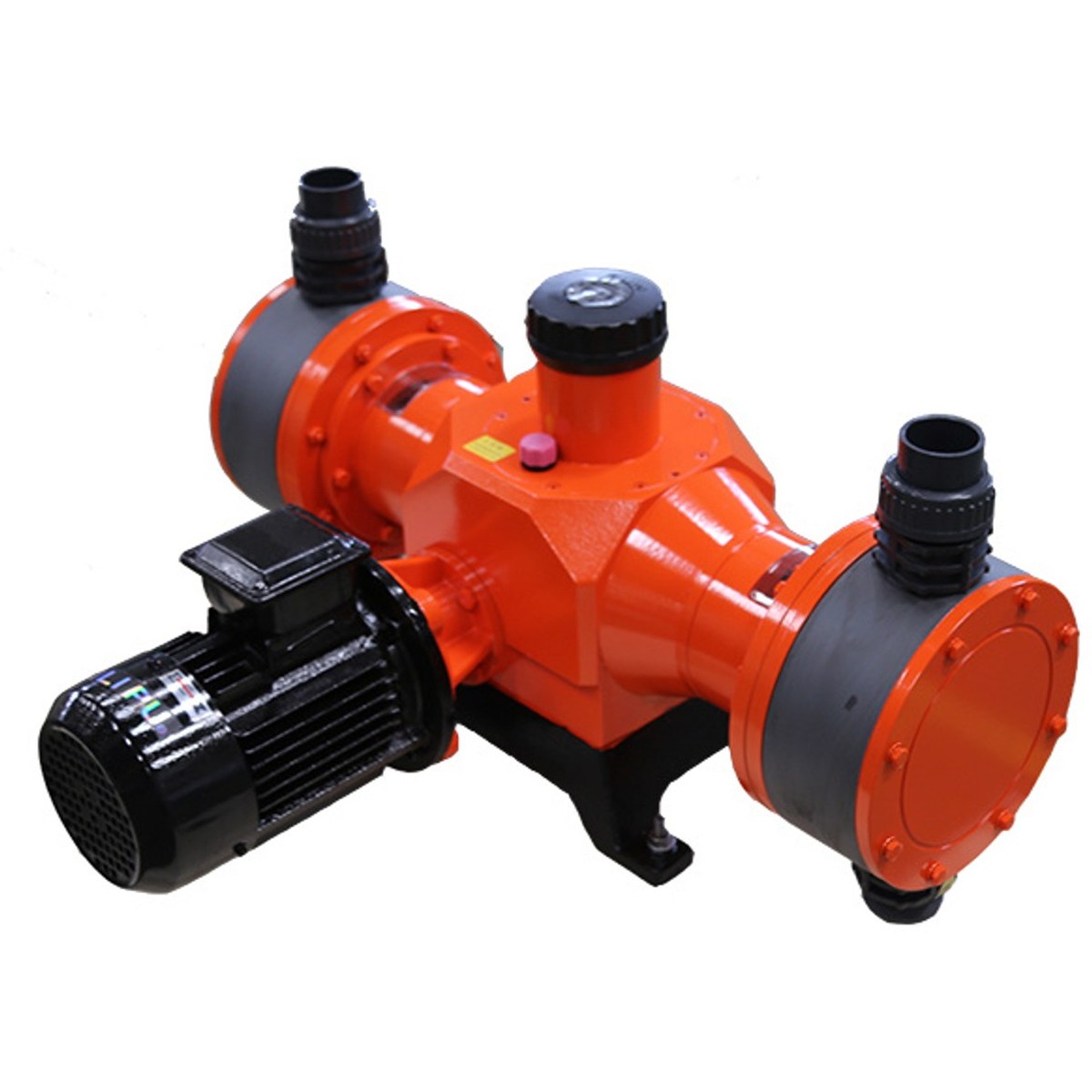
Metering Pump
JDM-S
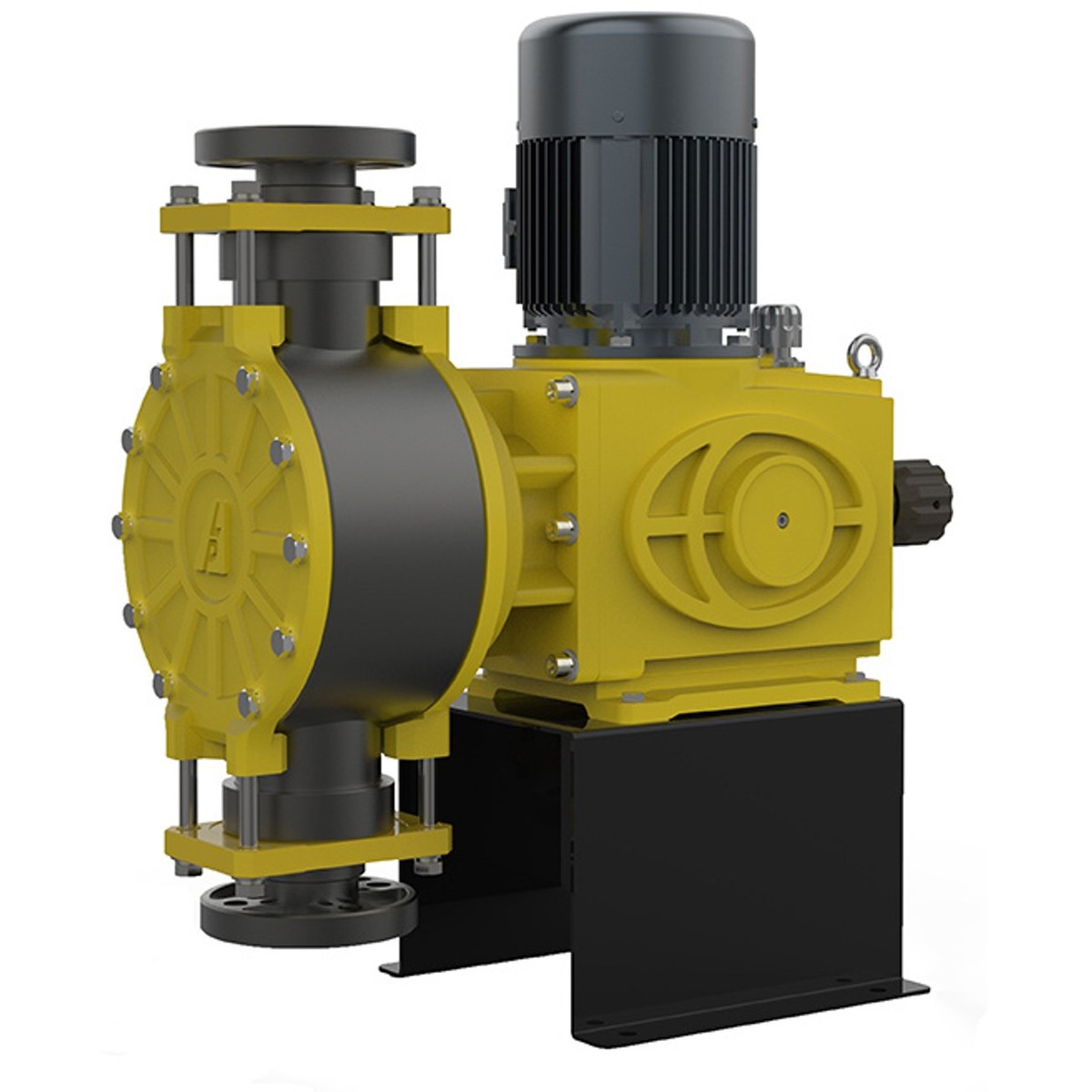
Metering Pump
JDM-B
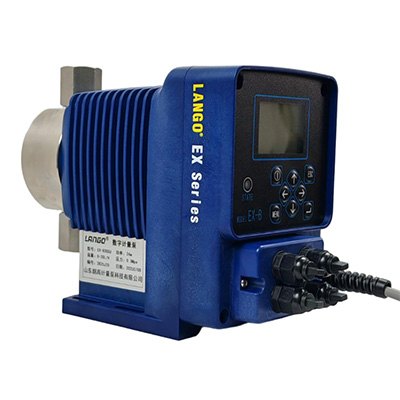
Metering Pump
EX-B
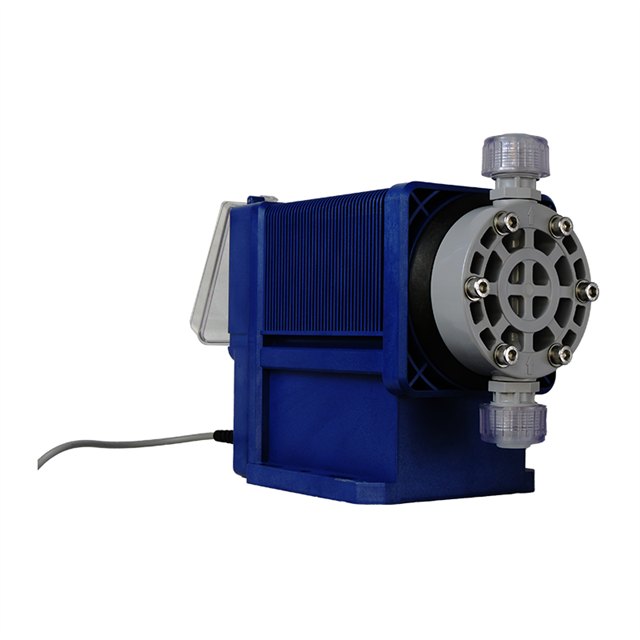
Metering Pump
EX-C
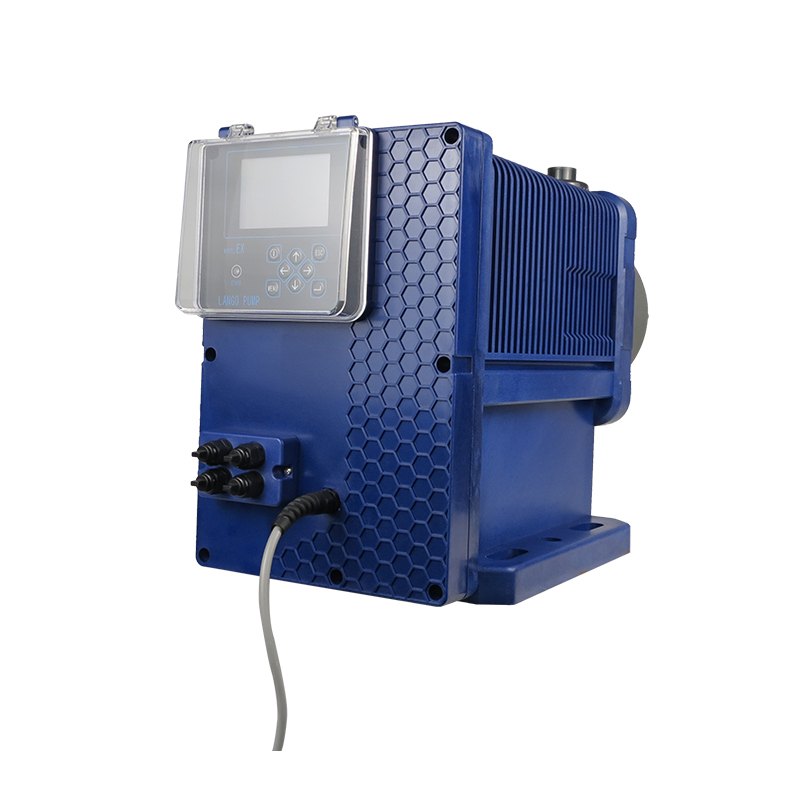
Metering Pump
EX-D
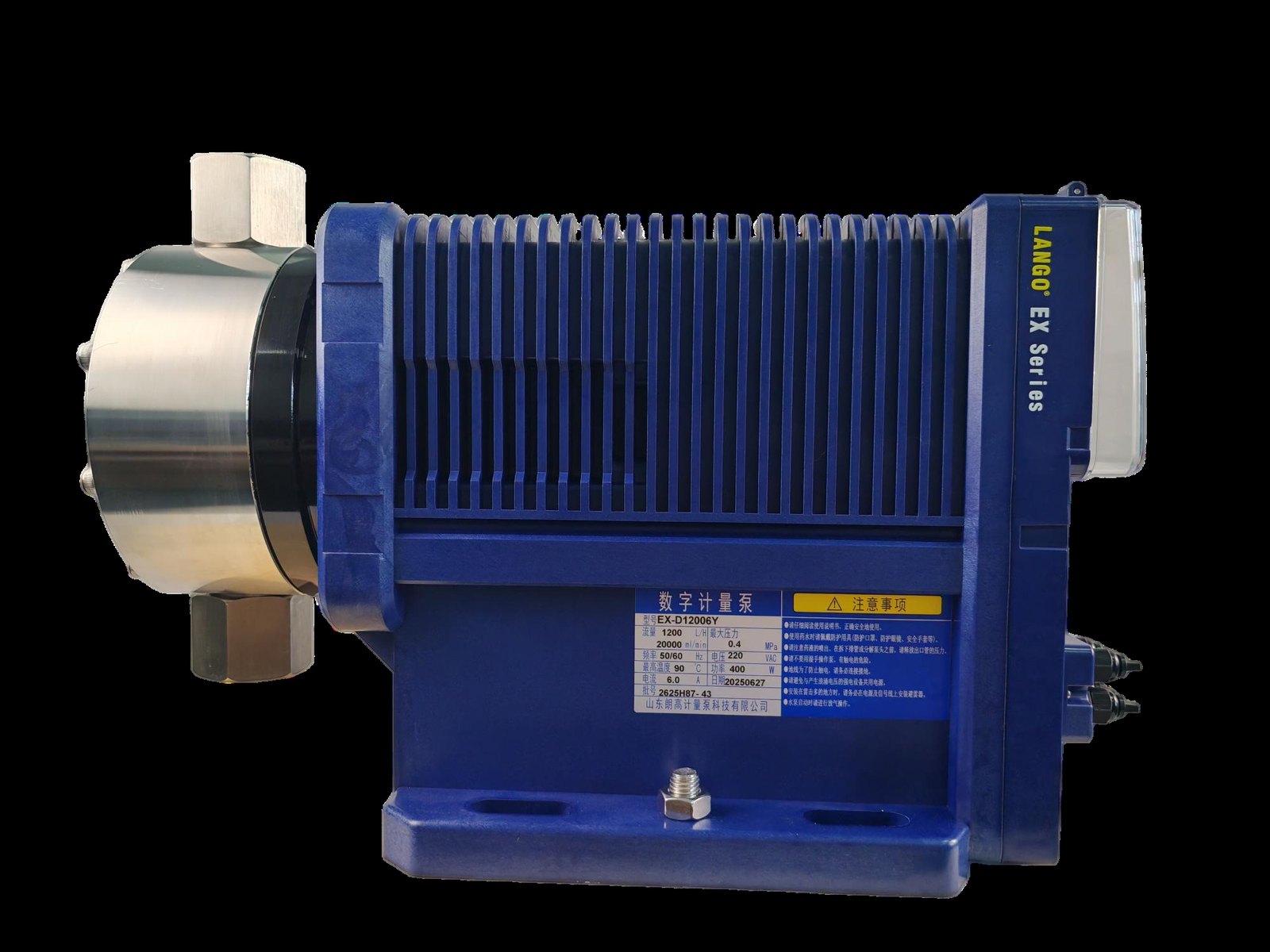
Metering Pump
EX-E
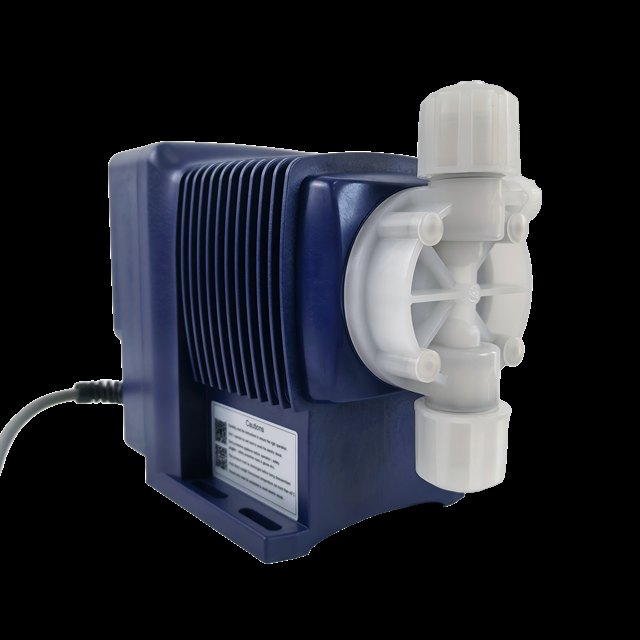
Metering Pump
ED-M
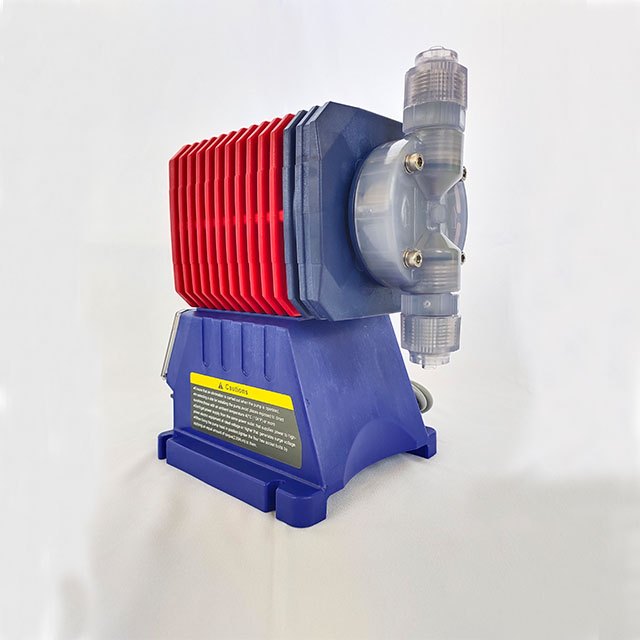
Metering Pump
EH-E
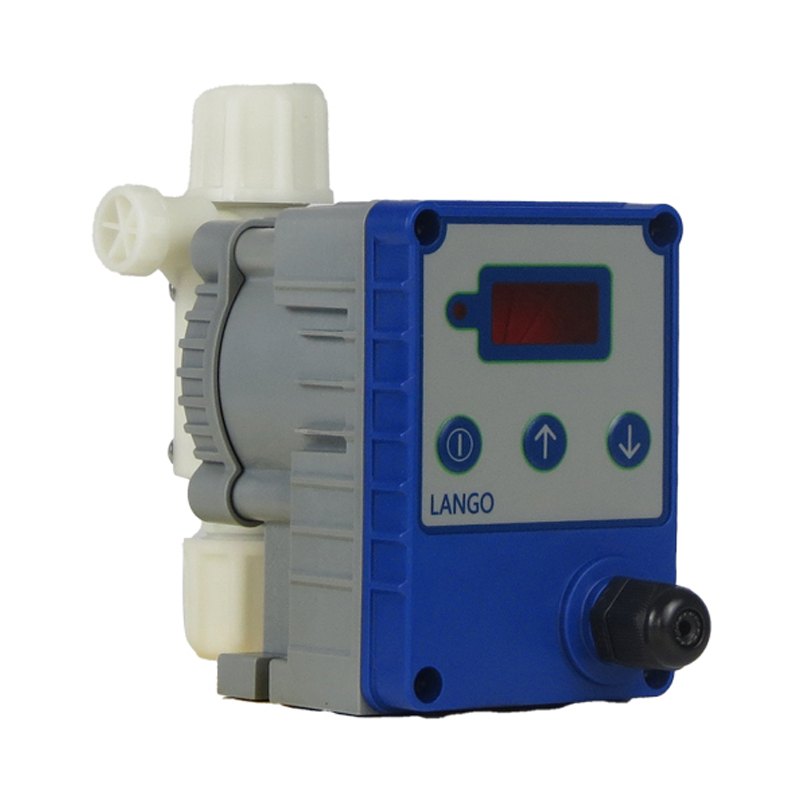
Metering Pump
EJ
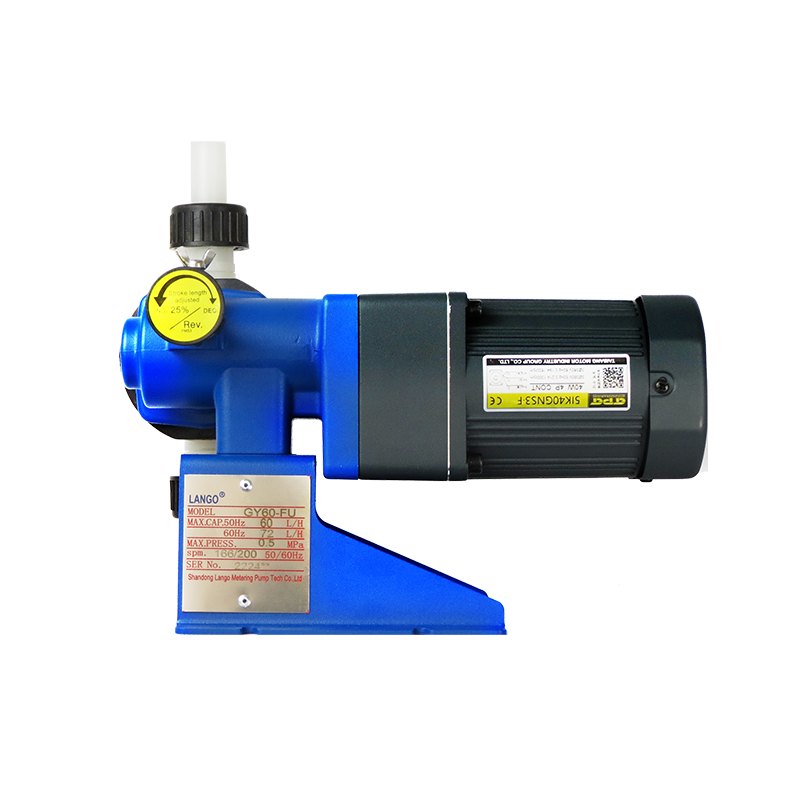
Metering Pump
GY
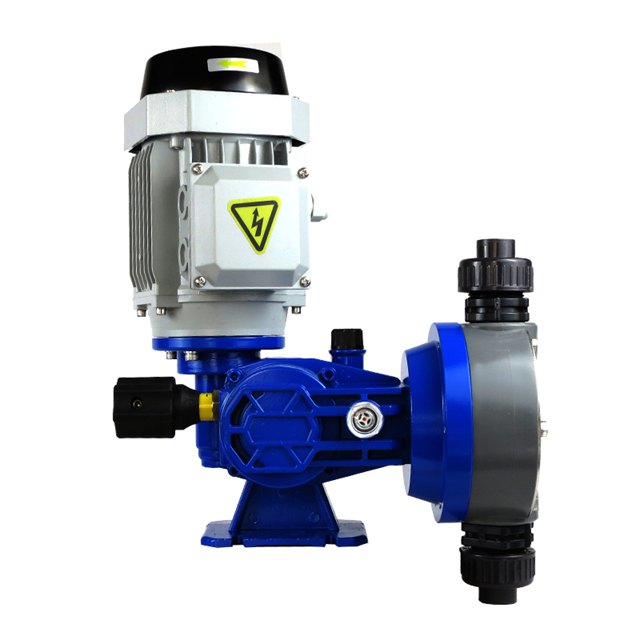
Metering Pump
GX
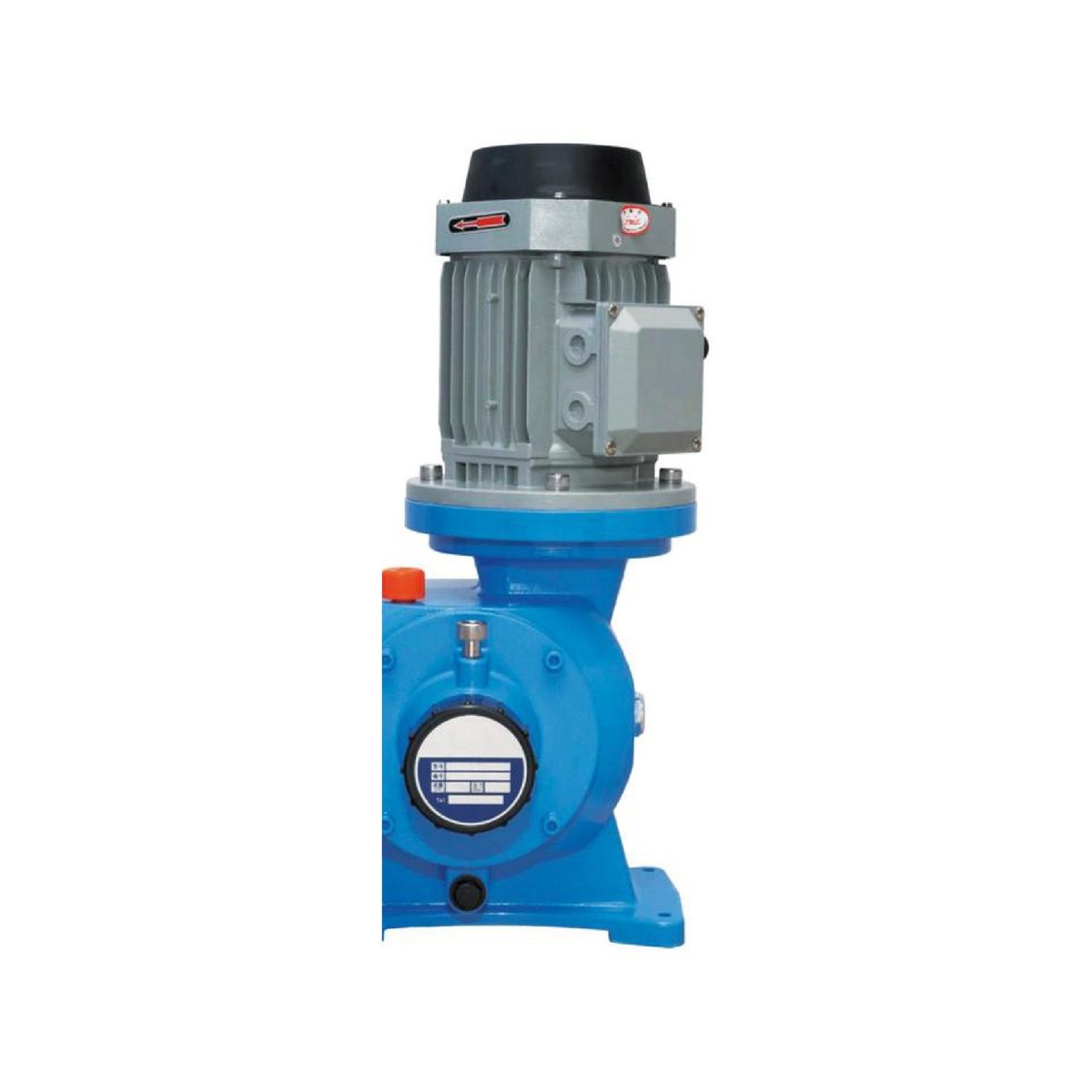
Metering Pump
GM
Metering Pump
GB
Metering Pump
LT